गीत विंग · गीत-पट्टिका · Song Plate
पैदा करेंगे इंक़लाब बाज़ुओं के ज़ोर पर
Paida Karenge Inqalab Baazuon Ke Zor Par
'कुल कलंक' की सूची का सबसे चौंकाने वाला शीर्षक — इंक़लाब का खुला वादा, ब्रिटिश भारत के आख़िरी वर्षों में रिकॉर्ड किया हुआ।
भावप्रेरणादायक · विद्रोही
भाषाhindi
श्रेय
The Creditsसूत्र-वाक्य · The Hook
सूत्र-वाक्य
'कुल कलंक' की सूची का सबसे चौंकाने वाला शीर्षक — इंक़लाब का खुला वादा, ब्रिटिश भारत के आख़िरी वर्षों में रिकॉर्ड किया हुआ।
In EnglishThe most startling title in the Kul Kalank catalogue — an open promise of revolution, recorded in the last year of British India.
पट्टिका-लेख
The Monographपरिचय Overview
जिन सूचियों को देखा गया उनमें से किसी में इस रिकॉर्ड का गायक दर्ज नहीं है, और इसकी कोई रिकॉर्डिंग नहीं मिली — बस एक शीर्षक, एक संगीतकार और एक गीतकार। पर शीर्षक स्वयं इतना उल्लेखनीय है कि अलग प्रविष्टि का हक़दार है: यह घोषणा कि इंक़लाब अपनी ही बाँहों के ज़ोर से लाया जाएगा — और वह भी 1945 में एक बंबई फ़िल्म स्टूडियो से। 'इंक़लाब' शब्द तब तक भगत सिंह के नारे से और दो दशकों के राष्ट्रवादी तथा मज़दूर आंदोलन से अलग नहीं किया जा सकता था, और उसे फ़िल्मी गीत के शीर्षक में रखना कोई तटस्थ काम नहीं था।
अंग्रेज़ी में पढ़ें · Read in English
No singer is documented for this side in any catalogue consulted, and no recording of it has been traced — only a title, a composer and a lyricist. But the title is remarkable enough to be worth an entry on its own: a declaration that revolution will be brought about by the strength of one's own arms, issued from a Bombay film studio in 1945. The word inqalab was by then inseparable from Bhagat Singh's slogan and from two decades of nationalist and labour agitation, and putting it in a film song title was not a neutral act.
संगीत The Music
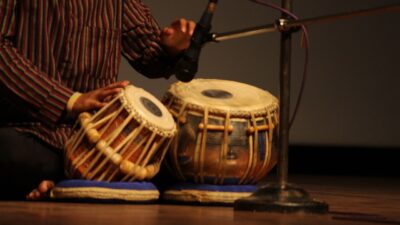
रिकॉर्डिंग लुप्त है, इसलिए यह नहीं कहा जा सकता कि इसे किस तरह बाँधा गया था। जो कहा जा सकता है वह यह है कि इस शैली की माँग क्या थी: 1940 के दशक में ऐसे गीत कूच-गीत की तरह लिखे जाते थे — सम मात्रा, अनेक कंठों के लिए बनी टेक, और आगे धकेलता हुआ ताल-वर्ग — क्योंकि उन्हें ऐसा होना था कि श्रोता साथ गा सकें। जिस संगीतकार का मुख्य वाद्य तबला हो, उसके लिए वह चाल लिखना कठिन नहीं था; पर फ़िल्म ने एकल आवाज़ इस्तेमाल की, कोरस, या दोनों — यह कहीं दर्ज नहीं है जहाँ तक हिंदी फ़िल्म गीत कोश के संकलनकर्ता पहुँच सके। इसीलिए इस प्रविष्टि का गायक-क्षेत्र अनुमान से भरने के बजाय ख़ाली छोड़ा गया है।
अंग्रेज़ी में पढ़ें · Read in English
The recording is lost, so nothing can be said about how it was set. What can be said is what the genre required: songs of this kind in the 1940s were written as marches — square metre, a refrain built for many voices, and a rhythm section pushed forward — because they had to work as something an audience could join. A composer whose primary instrument was the tabla would have had no difficulty writing that pulse; whether the film used a solo voice, a chorus or both is not recorded anywhere the compilers of the Hindi Film Geet Kosh could reach, which is why the singer field of this entry is left empty rather than filled with a guess.
काव्य The Poetry
पंक्ति अपना तरीक़ा स्वयं बताती है: न प्रार्थना, न याचिका, बल्कि बाज़ुओं का ज़ोर — हथियार नहीं, शारीरिक श्रम और शारीरिक साहस के अर्थ में। यह भेद महत्वपूर्ण है। यह मज़दूर-संघ के गीत और प्रगतिशील लेखक आंदोलन की शब्दावली है, जिसने 1940 के दशक के मध्य तक उर्दू कवियों की एक पूरी पीढ़ी को बंबई के स्टूडियो में पहुँचा दिया था — और यह गीत के वादे को नेताओं में नहीं, साधारण शरीरों में रखती है। रूपबानी, जिनके बारे में 1940 के दशक के कुछ श्रेयों के अलावा लगभग कुछ ज्ञात नहीं, ऐसी भाषा में लिख रहे थे जो 1945 में वास्तविक जोखिम उठाती थी: भारत रक्षा नियमों के तहत युद्धकालीन सेंसरशिप वर्षों से फ़िल्मों में राष्ट्रवादी सामग्री दबा रही थी।
अंग्रेज़ी में पढ़ें · Read in English
The line names its own method: not prayer, not petition, but baazuon ka zor — the force of arms, in the sense of physical labour and physical courage rather than weapons. That distinction matters. It is the vocabulary of the trade-union song and of the Progressive writers' movement, which by the mid-1940s had put a generation of Urdu poets into the Bombay studios, and it locates the song's promise in ordinary bodies rather than in leaders. Roopbani, of whom almost nothing is known beyond a handful of 1940s credits, was writing in a register that in 1945 carried real risk: the wartime censorship regime under the Defence of India Rules had been suppressing nationalist material in film for years.
कहानी The Story
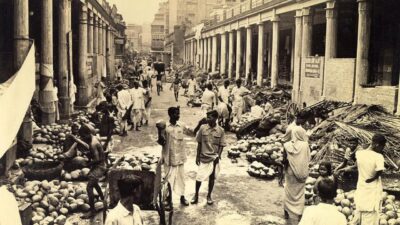
1945 वही वर्ष था जब युद्ध समाप्त हुआ और लाल क़िले में आज़ाद हिंद फ़ौज के मुक़दमे शुरू हुए, और बंबई के स्टूडियो ऐसी सेंसर-व्यवस्था के अधीन काम कर रहे थे जिसने युद्ध के वर्षों में फ़िल्मों से राष्ट्रवादी सामग्री काटी थी — यही कारण है कि 'किस्मत' (1943) का 'दूर हटो ऐ दुनिया वालो' आज नियम नहीं, अपवाद के रूप में याद किया जाता है। इस गीत पर सेंसर की नज़र पड़ी या नहीं, यह दर्ज नहीं है; फ़िल्म के प्रमाणन का कोई दस्तावेज़ नहीं बचा। 'कुल कलंक' स्वयं सनराइज़ पिक्चर्स की एक सामाजिक फ़िल्म थी, निर्देशक नानूभाई बी. वकील — और यह उसके उन पाँच गीतों में से एक है जिनके गायक कहीं दर्ज नहीं।
अंग्रेज़ी में पढ़ें · Read in English
1945 was the year the war ended and the Indian National Army trials began at the Red Fort, and Bombay's studios were operating under a censorship regime that had spent the war years cutting nationalist content out of films — the reason 'Door Hato Ae Duniya Walo' in Kismet (1943) is remembered as an escape rather than a norm. Whether this song drew censor attention is not recorded; no documentation of the film's certification survives. Kul Kalank itself was a Sunrise Pictures social directed by Nanubhai B. Vakil, and this is one of five of its eleven songs for which no singer is named anywhere.
विरासत The Legacy
यह गीत आज केवल एक सूची की पंक्ति के रूप में मौजूद है, और ठीक इसीलिए इसे दर्ज करना ज़रूरी है। 1940 के दशक के राष्ट्रवादी फ़िल्म-गीत की चर्चा प्रायः उन गिने-चुने उदाहरणों के सहारे होती है जो रिकॉर्ड पर बचे हैं; बाक़ी — इस जैसे शीर्षक, मँझोले स्टूडियो के छोटे निर्माणों में — इस बात के प्रमाण हैं कि आज़ादी से ठीक पहले के वर्षों में यह आवेग वास्तव में कितना फैला हुआ था। रिकॉर्डिंग के बिना यह दावा नहीं किया जा सकता कि गीत कैसा सुनाई देता था या दर्शकों ने उसे कैसे लिया। इतना ज़रूर कहा जा सकता है कि 1945 में एक बंबई स्टूडियो ने एक रिकॉर्ड लेबल पर 'इंक़लाब' शब्द छपवाया।
अंग्रेज़ी में पढ़ें · Read in English
The song exists today only as a line in a catalogue, and that is exactly what makes it worth recording. The nationalist film song of the 1940s is usually discussed through the handful of examples that survive on record; the rest — titles like this one, in small productions from mid-sized studios — are the evidence of how widespread the impulse actually was in the years immediately before independence. Without a recording, no claim can be made about how the song sounded or how audiences received it. What can be stated is that a Bombay studio put the word inqalab on a record label in 1945.
वर्गीकरण
ClassificationGenre
अन्य विवरण
More Details- https://www.hindigeetmala.net/movie/kul_kalank.htm
- https://myswar.co/album/kul-kalank-1945
- https://www.saregama.com/album/kul-kalank_107711
- https://en.wikipedia.org/wiki/List_of_Hindi_films_of_1945
- https://en.wikipedia.org/wiki/Alla_Rakha
- https://www.cinemaazi.com/people/alla-rakha-qureshi
- https://www.indianfilmhistory.com/movie/kul-kalank
- https://bombaymann2.blogspot.com/2020/08/film-kul-kalank1945.html
- https://indiancine.ma/EEQ/info
- https://www.songsofyore.com/the-evolution-of-mohammad-rafi-part-one-1944-55/
References
रोचक तथ्य
Margin Notesजिन सूचियों को देखा गया — हिंदीगीतमाला, माईस्वर और हिंदी फ़िल्म गीत कोश से निकली सूचियाँ — उनमें से किसी में इस गीत का गायक दर्ज नहीं है, केवल संगीतकार और गीतकार; इसलिए यहाँ गायक-श्रेय जानबूझकर ख़ाली रखा गया है।
अंग्रेज़ी में पढ़ें · Read in English
No singer is named for this song in any catalogue consulted — hindigeetmala, MySwar and the Hindi Film Geet Kosh derivatives all list composer and lyricist only — so the singer credit here is deliberately left empty.
'कुल कलंक' के ग्यारह गीतों में से पाँच के गायक अज्ञात हैं; यह उन्हीं में से एक है, और इन पाँच में से कोई भी सारेगामा की सूची में नहीं बचा।
अंग्रेज़ी में पढ़ें · Read in English
Five of Kul Kalank's eleven songs have no documented singer; this is one of them, and none of the five survives in the Saregama catalogue.
नमूना-पट्टी
The Specimen Table| शीर्षक | पैदा करेंगे इंक़लाब बाज़ुओं के ज़ोर पर · Paida Karenge Inqalab Baazuon Ke Zor Par |
|---|---|
| फ़िल्म | कुल कलंक · 1945 |
| वर्ष · युग | 1945 |
| गीतकार | Roopbani |
| संगीतकार | Allah Rakha |
| भाषा | hindi |
| भाव | प्रेरणादायक · विद्रोही |
| लोकप्रियता | Obscure |
| बोल-स्थिति | केवल झलक |
जुड़े हुए पन्ने
Connected Plates · The Graph Made Visibleअटलस में कोई पन्ना अकेला नहीं — इस गीत से जुड़े गीत, कलाकार, फ़िल्म, राग-ताल-विधा, सब यहाँ से खुलते हैं।
कलाकार · The Artists
फ़िल्म · The Film
साझा कीजिए · Share this Plate