शास्त्र विंग · वाद्य-पट्टिका · Instrument Plate
गगना
Gogona
अन्य नामগগনা (Assamese) · गोंगिना (Gongina — बोडो भाषा) · Gagana · Gogona (also: Gôgônā)
परिचय
Overviewगगना असम का घन-वाद्य (jaw harp) है — बाँस या सींग के एक ही टुकड़े से तराशा हुआ छोटा-सा जबड़ा-वाद्य, जिसकी बीच में कटी लचीली जीभ को दाँतों में दबाकर उँगली से झंकारा जाता है। इसका अपना अनुनाद-कक्ष नहीं; बजाने वाले का मुँह ही स्वर और गूँज को गढ़ता है, जिससे इसकी भिनभिनाती ट्वैंग 'बोलती' प्रतीत होती है। ढोल और पेपा के साथ यह रंगाली बिहू की ध्वनि-आत्मा है, और नाचती युवतियों के जूड़े में सजकर यह वाद्य से श्रृंगार भी बन जाती है।
अंग्रेज़ी में पढ़ें · Read in English
The gogona is Assam's Ghana-class jaw harp — a small instrument carved from a single piece of bamboo or horn, its central flexible tongue held between the teeth and flicked with a finger. It has no resonating chamber of its own; the player's mouth shapes both pitch and reverberation, making its buzzing twang seem to 'speak'. Together with the dhol and pepa it is the sound-soul of Rongali Bihu, and tucked into the hair-bun of dancing women it becomes ornament as much as instrument.
वर्गीकरण
ClassificationNatya Shastra Category
घन (Ghana - solid idiophones)
नाट्यशास्त्र की चतुर्विध वाद्य-प्रणाली में गगना 'घन वाद्य' है — अर्थात् जिसमें कोई तार या झिल्ली नहीं, बल्कि ठोस पदार्थ (बाँस या सींग) का कंपन ही ध्वनि उत्पन्न करता है। यह एक 'तोड़ी हुई' (plucked) जीभ वाला लेमेलोफोन है।
In the four-fold Natya Shastra classification of instruments, the gogona belongs to the 'Ghana' (solid idiophone) category — where sound arises not from a string or membrane but from the vibration of a solid body itself (bamboo or horn). It is a plucked-lamella idiophone (lamellophone).
Western Category
Jew's harp / jaw harp (mouth harp)
Western Family
Idioglot guimbarde — plucked idiophone family; the vibrating tongue (lamella) is cut from the same single piece of material as the frame
Sub Classification
बनावट
PhysicalDescription Hindi
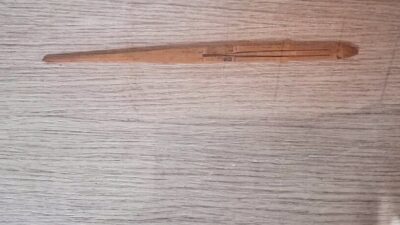
गगना एक छोटा-सा बाँस (या पशु-सींग) का जबड़ा-वाद्य है, जो एक ही टुकड़े से बना होता है। एक सिरा ठोस और द्विशाखित (कैंची-सी दो शाखाओं वाला) होता है और बीच में एक पतली, लचीली जीभ (लेमेला) कटी होती है। ठोस सिरे को दाँतों/होंठों से पकड़ा जाता है और कांटेनुमा मुक्त सिरे को उँगली से बार-बार झटका देकर बजाया जाता है। मुँह की गुहा ही अनुनाद-कक्ष का काम करती है।
Description English
The gogona is a small jaw harp fashioned from a single piece of bamboo (or animal horn). One end is a solid, bifurcated fork; a thin, flexible tongue (lamella) is cut into the centre. The solid end is gripped between the teeth/lips while the forked free end is repeatedly flicked with a finger. The player's own mouth cavity serves as the resonating chamber.
Body
Slender flat strip that bifurcates into a two-pronged fork at the free end, with a central plucking tongue
पतली चपटी पट्टी जो मुक्त सिरे पर दो शाखाओं (काँटे) में बँट जाती है, बीच में झंकार देने वाली जीभ
Bamboo (most common) or buffalo/deer horn; bell-metal variants exist regionally
बाँस (सबसे आम) अथवा भैंस/हिरण का सींग; कहीं-कहीं धातु के रूप भी मिलते हैं
10-15 (हाथ में समा जाने वाला)
None built-in — the player's oral cavity acts as the variable resonator, shaping timbre and pitch
Strings
No strings — sound is produced by a plucked bamboo/horn tongue (lamella)
Not applicable — idiophone, no sympathetic strings
The steady rhythmic twang itself functions as a drone-like rhythmic pulse in Bihu ensembles
Bow
—
None (plucked, not bowed)
Played with the index finger, not a bow
—
The forked tip is flicked/plucked repeatedly with the fingertip
Tuning Pegs
—
None
No pegs — the tongue's length and thickness at carving time fix the fundamental; players shape pitch with the mouth
Bridge
—
None
No bridge — a single carved lamella vibrates directly against the surrounding mouth-held frame
—
Frets
गगना में फ्रेट नहीं होते। स्वर-परिवर्तन उँगली की झंकार-गति, साँस के प्रवाह और मुँह की गुहा के आकार से किया जाता है — जिससे बोलती-सी 'ट्वैंग' ध्वनि निकलती है।
The gogona has no frets. Pitch and timbre are varied by the speed of finger-flicks, breath flow, and the shape of the oral cavity — producing its speech-like, twanging voice.
ध्वनि-चरित्र
SoundTonal Character Hindi
गगना की ध्वनि एक गूँजती, भिनभिनाती 'ट्वैंग' है — धात्विक-सी झंकार जिसे बजाने वाला मुँह की गुहा बदलकर 'गाता' और 'बुलवाता' है। यह गहरी नहीं, बल्कि तीखी, लयबद्ध और चंचल होती है, जो बिहू की उमंग को जीवंत कर देती है।
Tonal Character English
The gogona's voice is a resonant, buzzing 'twang' — a metallic-tinged reverberation that the player 'sings' and 'talks' by changing the mouth cavity. Not deep but bright, rhythmic and playful, it embodies the exuberance of Bihu.
Timbre
Buzzing, twangy, richly overtoned; harmonics selectively amplified by the oral cavity
Range
Single fundamental pitch with a band of selectable overtones bent by the mouth; not a full melodic range
Dynamic Range
Soft to moderate — an intimate, close-quarters sound designed to blend with dhol, pepa and voice in the open-air Bihu
Techniques
सुनने का मार्गदर्शन
The Listening Guideगगना का असली रस बिहू के खुले मैदान में है। ढोल की थाप और पेपा की धुन के बीच उस बारीक, भिनभिनाती ट्वैंग को पकड़िए जो लय के साथ हिलोरें लेती है। देखिए कैसे बजाने वाला मुँह खोल-बंद कर स्वर मोड़ता है — मानो वाद्य कोई शब्द बोल रहा हो। शुरुआत एकल 'गगना बादन' से कीजिए, फिर सामूहिक बिहू में इसकी संगत सुनिए।
अंग्रेज़ी में पढ़ें · Read in English
To appreciate the gogona, watch and hear a Bihu performance — amid the beat of the dhol and the tune of the pepa, seek out that fine, buzzing twang that sways with the rhythm. Notice how the player 'bends' the pitch by opening and closing the mouth, as if the instrument were speaking. A solo 'Gogona badan' video reveals its subtlety best.
अन्य विवरण
More DetailsTimbre
Buzzing, twangy, richly overtoned; harmonics selectively amplified by the oral cavity
रोचक तथ्य
Margin Notesएक ही टुकड़े का वाद्य — गगना की सबसे बड़ी विशेषता इसकी सादगी है — पूरा वाद्य बाँस (या सींग) के एक ही टुकड़े से तराशा जाता है, जिसमें बजाने वाली जीभ भी उसी टुकड़े का हिस्सा होती है। इसमें न तार जोड़े जाते हैं, न धातु की अलग पत्ती।
The gogona's defining feature is its simplicity — the whole instrument is carved from a single piece of bamboo (or horn), the playing tongue being part of that same piece. No strings are attached, no separate metal reed added.
मुँह ही अनुनाद-कक्ष — गगना का अपना कोई अनुनाद-कक्ष नहीं होता — बजाने वाले का मुँह ही परिवर्तनशील अनुनादक बनता है। इसीलिए एक ही जीभ से अनेक 'बोल' निकाले जा सकते हैं, केवल मुँह और साँस बदलकर।
The gogona has no resonating chamber of its own — the player's mouth becomes the variable resonator. That is why many 'syllables' can be drawn from a single tongue, merely by changing the mouth and breath.
मोरचंग से भ्रम न करें — गगना अक्सर राजस्थान के धातु-मोरचंग (Carnatic में मोरसिंग) से भ्रमित की जाती है। दोनों जबड़ा-वाद्य हैं, पर गगना बाँस/सींग की और idioglot है, जबकि मोरचंग लोहे की और अलग-जीभ (heteroglot) वाली है — और उसका सांस्कृतिक घर बिल्कुल भिन्न है।
The gogona is often confused with Rajasthan's metal morchang (the morsing in Carnatic music). Both are jaw harps, but the gogona is bamboo/horn and idioglot, while the morchang is iron with a separate tongue (heteroglot) — and its cultural home is entirely different.
श्रृंगार बना वाद्य — बिहू में गगना केवल बजाई नहीं जाती — नाचते समय युवतियाँ इसे बालों के जूड़े में सजा लेती हैं, जिससे यह असमिया लोक-श्रृंगार का एक अनोखा अंग बन जाती है।
In Bihu the gogona is not only played — while dancing, young women adorn their hair-bun with it, so that it becomes a unique part of Assamese folk adornment.
सवाल-जवाब
Questions & Answersगगना क्या है?
गगना असम का बाँस (या सींग) से बना एक जबड़ा-वाद्य (jaw harp) है — एक घन वाद्य जिसमें एक ही टुकड़े से कटी लचीली जीभ को दाँतों में दबाकर उँगली से झंकारा जाता है। यह रंगाली बिहू का प्रमुख लोक-वाद्य है।
गगना कैसे बजाई जाती है?
ठोस सिरे को दाँतों/होंठों से पकड़ा जाता है और काँटेनुमा मुक्त सिरे को उँगली से बार-बार झटका देकर बजाया जाता है। स्वर और गूँज बजाने वाले के मुँह की गुहा और साँस से बदले जाते हैं, जिससे यह 'बोलती' प्रतीत होती है।
गगना और मोरचंग में क्या अंतर है?
दोनों जबड़ा-वाद्य हैं, पर गगना बाँस/सींग के एक ही टुकड़े से बनी (idioglot) असमिया वाद्य है, जबकि मोरचंग/मोरसिंग लोहे का और अलग जीभ वाला (heteroglot) है, जो राजस्थानी लोक व कर्नाटक संगीत में प्रयुक्त होता है।
गगना का बिहू में क्या महत्व है?
गगना ढोल और पेपा के साथ रंगाली बिहू की ध्वनि-पहचान बनाती है। बिहू नृत्य के समय युवतियाँ इसे बजाती हैं और बालों के जूड़े में हेयरपिन की तरह सजाती हैं, जिससे यह वाद्य और श्रृंगार दोनों बन जाती है।
गगना के कितने प्रकार होते हैं?
मुख्यतः दो लिंग-आधारित रूप होते हैं — पुरुषों के लिए छोटी और चौड़ी 'रामधन गगना', तथा स्त्रियों के लिए पतली एवं लंबी 'लाहरि गगना'।
नमूना-पट्टी
The Specimen Table| नाम | गगना · Gogona |
|---|---|
| अन्य नाम | গগনা (Assamese) · गोंगिना (Gongina — बोडो भाषा) · Gagana · Gogona (also: Gôgônā) |
| प्रकार | वाद्य · Instruments |
साझा कीजिए · Share this Plate