गीत विंग · गीत-पट्टिका · Song Plate
शेरनी
Sherni
शेरनी को इजाज़त नहीं चाहिए — यह गाना हर उस औरत की दहाड़ है जिसने ज़िंदगी की राह अपनी शर्तों पर तय की।
भावउत्सव · Empowering · विद्रोही
भाषाHindi गतितेज़ स्वरूपएकल पुरुष
श्रेय
The Creditsशब्दकोश
Word Meaningsसूत्र-वाक्य · The Hook
सूत्र-वाक्य
शेरनी को इजाज़त नहीं चाहिए — यह गाना हर उस औरत की दहाड़ है जिसने ज़िंदगी की राह अपनी शर्तों पर तय की।
In EnglishA lioness needs no permission to roam — Sherni is the fearless war cry of every woman who has ever hit the road on her own terms.
पट्टिका-लेख
The Monographपरिचय Overview
शेरनी 2026 की हिंदी फ़िल्म 'हीर सारा' (जिसे 'हीर सारा और पांडिचेरी' भी कहा जाता है) का जोशीला रोड-ट्रिप गाना है। अर्जुन अय्यर ने इसे रचा और निर्मित किया, शब्द निकेत पांडे के हैं और गायन रवींद्र उपाध्याय का है — जो 'तलाश' के गाने 'जिया लागे ना' से मशहूर हैं। 12 जून की रिलीज़ से पहले सोनी म्यूज़िक इंडिया के तहत आया यह गाना पहले 'दो शेरनियाँ' के नाम से बना था, बाद में अपने अंतिम रोमांचक रूप में ढला। इंदौर से पांडिचेरी की मोटरसाइकिल यात्रा करती दो महिलाओं की निडर भावना इस गाने में जीवंत हो उठती है।
अंग्रेज़ी में पढ़ें · Read in English
Sherni is the rousing road-trip anthem from the 2026 Hindi film Heer Sara (also known as Heer Sara Aur Pondicherry), composed and produced by Arjun Iyer with lyrics by Niket Pandey and sung by Ravindra Upadhyay—known for the popular song Jiya Laage Na from Talaash. Released ahead of the film's June 12 premiere under Sony Music Entertainment India, the track was originally conceived as 'Do Sherniyaa' before being reworked into its final energetic form. It embodies the bold, free-spirited journey of two women on motorcycles from Indore to Pondicherry, serving as a spirited declaration of the film's feminist ethos.
संगीत The Music
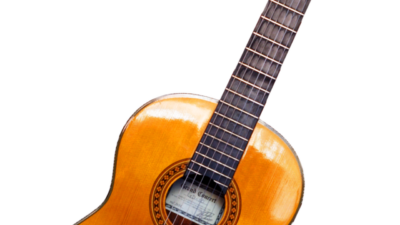
अर्जुन अय्यर ने 'शेरनी' को एक तेज़ और ऊर्जावान गिटार रिफ़ पर खड़ा किया है, जिसके नीचे टाइट ड्रम प्रोग्रामिंग और बेस-केंद्रित प्रोडक्शन है। व्यवस्था सुगठित और आवेगशील है — जैसे दो महिलाएँ मोटरसाइकिल पर हाईवे काट रही हों। रवींद्र उपाध्याय ने गाने को संयमित तीव्रता से गाया है। मूल रूप से यह 'दो शेरनियाँ' के नाम से दो गायकों के लिए बनाया गया था; अंतिम एकल संस्करण ऊर्जा को केंद्रित करता है।
अंग्रेज़ी में पढ़ें · Read in English
Arjun Iyer builds Sherni around a punchy, driving guitar riff underscored by tight drum programming and bass-forward production. The arrangement is lean and urgent, matching the kinetic energy of two women on motorcycles cutting across highways. Ravindra Upadhyay delivers the anthem with controlled intensity — his voice has a grounded masculinity that paradoxically amplifies the song's feminine subject. Iyer, who composed the entire Heer Sara album, notes the song originally had two vocalists in the 'Do Sherniyaa' conception; the final solo version focuses the energy.
काव्य The Poetry
निकेत पांडे के शब्दों में शेरनी का रूपक केंद्रीय है — जंगली, क्षेत्रीय, निडर। 'शेरनी' शब्द पूरी फ़िल्म का सार एक संज्ञा में समेट देता है: स्त्रियाँ सर्वोच्च प्राणी हैं जिन्हें बचाए जाने या अनुमति की ज़रूरत नहीं। गति, स्वतंत्रता और आत्म-स्वामित्व के आसपास शब्द-क्रीड़ा रोड-ट्रिप शैली के शास्त्रीय विषयों को भारतीय महिला अनुभव में पिरोती है।
अंग्रेज़ी में पढ़ें · Read in English
Niket Pandey's lyrics for Sherni employ the central metaphor of the lioness — wild, territorial, unafraid. The title word 'Sherni' distills the entire film's thesis into a single noun: women as apex creatures who do not require rescue or permission. The wordplay around movement, freedom, and self-ownership echoes the road-trip genre's classic themes while anchoring them in a distinctly Indian female experience.
कहानी The Story
निर्देशक कार्तिक चौधरी ने अर्जुन अय्यर के साथ — जिन्होंने पटकथा और एल्बम दोनों लिखे — प्रोजेक्ट की शुरुआत से सहयोग किया। अय्यर ने बताया कि गाना पहले 'दो शेरनियाँ' था, जो दोनों मुख्य किरदारों मानवी ग्रू और पत्रलेखा के लिए युगल गाने के रूप में सोचा गया था। अंतिम संस्करण में इसे रवींद्र उपाध्याय का एकल गाना बनाया गया।
अंग्रेज़ी में पढ़ें · Read in English
Director Kartik Chaudhry collaborated with Arjun Iyer — who wrote both the screenplay and the album — from the very beginning of the project. Iyer revealed that the song began as 'Do Sherniyaa', conceived as a duet for the two leads Maanvi Gagroo and Patralekha. In the final cut, it was restructured as a solo by Ravindra Upadhyay (celebrated for 'Jiya Laage Na' from Aamir Khan's Talaash) to serve as the opening road-trip statement.
विरासत The Legacy
शेरनी ऐसे समय में आई जब भारतीय सिनेमा महिला-केंद्रित आख्यानों के साथ बढ़ती रूप से जूझ रहा था। हीर सारा की ओपनिंग स्टेटमेंट के रूप में — एक ऐसी फ़िल्म जो शारीरिक स्वायत्तता और समलैंगिक संबंधों के बारे में है — यह गाना बॉलीवुड के उन एंथम की बढ़ती सूची में अपनी जगह बनाता है जो उन महिलाओं के लिए लिखे गए हैं जो अपनी ज़िंदगी की कहानी में सहायक किरदार बनने से इनकार करती हैं।
अंग्रेज़ी में पढ़ें · Read in English
Sherni arrived during a moment when Indian cinema was increasingly reckoning with female-led narratives outside the romantic heroine mould. As an opening statement from Heer Sara — a film about bodily autonomy and same-sex relationships — the song's fearless energy positions it within a growing body of Bollywood anthems written specifically for women who refuse to be the supporting character of their own story.
वर्गीकरण
Classification- Tempo
- Fast
Genre
अन्य विवरण
More Details- Filmibeat — https://www.filmibeat.com/bollywood/news/2026/heer-sara-aur-pondicherry-song-fierce-road-trip-anthem-sherni-is-out-ahead-of-release-517147.html
- Jay-Ho — https://jay-ho.com/sherni-from-heer-sara-aur-pondicherry-feels-less-like-a-song-more-like-a-mood/
- YouTube — https://www.youtube.com/watch?v=S0WRfjiqfBk
- JioSaavn — https://www.jiosaavn.com/album/heer-sara/pXhAc6nOuYo_
References
रोचक तथ्य
Margin Notesयह गीत मूल रूप से 'दो शेरनियाँ' नाम से परिकल्पित था और इसे दोनों मुख्य अभिनेत्रियों के लिए युगल गीत के रूप में सोचा गया था।
अंग्रेज़ी में पढ़ें · Read in English
The song was originally titled 'Do Sherniyaa' and conceived as a duet for the two lead actresses.
रवींद्र उपाध्याय आमिर खान की फिल्म 'तलाश' (2012) के गीत 'जिया लागे ना' के लिए सबसे ज़्यादा जाने जाते हैं।
अंग्रेज़ी में पढ़ें · Read in English
Ravindra Upadhyay is best known for 'Jiya Laage Na' from Aamir Khan's Talaash (2012).
अर्जुन अय्यर ने फिल्म की पटकथा भी लिखी और इसका संपूर्ण संगीत भी रचा — समकालीन बॉलीवुड में यह एक दुर्लभ दोहरा श्रेय है।
अंग्रेज़ी में पढ़ें · Read in English
Arjun Iyer both wrote the film's screenplay and composed its entire musical score — a rare double credit in contemporary Bollywood.
फिल्म में पुदुचेरी की लोकेशन फ्रांसीसी औपनिवेशिक विरासत और तमिल संस्कृति को दर्शाती है, जिसने एल्बम के बहुभाषी संगीत स्वरूप को प्रभावित किया है।
अंग्रेज़ी में पढ़ें · Read in English
The Pondicherry destination in the film reflects French colonial heritage and Tamil culture, influencing the multilingual sound palette of the album.
नमूना-पट्टी
The Specimen Table| शीर्षक | शेरनी · Sherni |
|---|---|
| फ़िल्म | हीर सारा · 2026 |
| वर्ष · युग | 2026 — Modern (2010+) |
| गायक | रवींद्र उपाध्याय |
| गीतकार | Niket Pandey |
| संगीतकार | Arjun Iyer |
| स्वरूप | एकल पुरुष |
| गति | तेज़ |
| भाषा | Hindi |
| वाद्य | guitar · Drums · Bass · Synth |
| भाव | उत्सव · Empowering · विद्रोही |
| बोल-स्थिति | केवल झलक |
जुड़े हुए पन्ने
Connected Plates · The Graph Made Visibleअटलस में कोई पन्ना अकेला नहीं — इस गीत से जुड़े गीत, कलाकार, फ़िल्म, राग-ताल-विधा, सब यहाँ से खुलते हैं।
कलाकार · The Artists
फ़िल्म · The Film
साझा कीजिए · Share this Plate