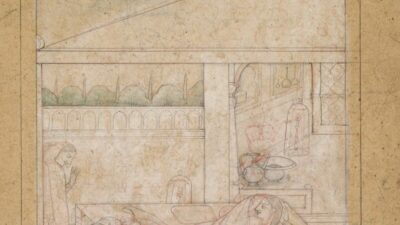
शास्त्र विंग · नायिका-पट्टिका · Nayika Plate
कलहान्तरिता
Kalahantarita
झगड़े के बाद अलग होकर बैठी नायिका — दुःख और क्रोध से भरी, पर प्रिय की परवाह करती हुई।
अन्य नामकलहप्रान्ता · झगड़े के बाद की नायिका
एक पंक्तिकलहान्तरिता वह नायिका है जो प्रिय से झगड़े के बाद अलग बैठती है, पर अपने प्रेम को छुपा नहीं सकती।
परिचय
Overviewकलहान्तरिता नायिका प्रेम के एक सूक्ष्म और जटिल पहलू को दर्शाती है। प्रेम में झगड़े आते हैं, गुस्सा आता है, दूरी आती है — पर यह सब प्रेम की गहराई का प्रमाण है। यह नायिका सिद्ध करती है कि सच्चा प्रेम झगड़ों को भी सहन कर सकता है, और झगड़े के बाद भी वह ज़िंदा रहता है। भारतीय संस्कृति में दाम्पत्य जीवन को एक रंगीन यात्रा माना जाता है, जिसमें खुशियाँ भी आती हैं और दुःख भी। कलहान्तरिता इसी परंपरा का हिस्सा है। वह दिखाती है कि प्रेम एक जीवंत, गतिमान, और बदलते रहने वाला भाव है।
अंग्रेज़ी में पढ़ें · Read in English
Kalahantarita represents a subtle and complex aspect of love. Quarrels, anger, and distance come in relationships — but these prove love's depth. This nayika shows that true love can survive quarrels, and continues even after them.
In Indian culture, married life is seen as a colorful journey with both joys and sorrows. Kalahantarita is part of this tradition. She shows that love is a living, dynamic, and ever-changing emotion.
काव्य-पंक्ति · The Verse
काव्य-पंक्ति
झगड़े में भी प्रेम बसा है, गुस्से में भी प्रिय की याद, दूरी में भी दिल जुड़ा है, यही है प्रेम की बारादारी।।
— हिंदी काव्य परंपरा Even in quarrels, love dwells; even in anger, memory of beloved, Distance cannot break the bond; this is love's true nature.
वर्गीकरण
Classificationश्रेणी
अष्टनायिका
अंग्रेज़ी में पढ़ें · Read in English
Ashtanayika
Emotional State
क्रोध, अपमान, और छिपा हुआ प्रेम
अंग्रेज़ी में पढ़ें · Read in English
Anger, hurt, and hidden love
Shringara Type
विप्रलंभ शृंगार (Separation love)
चरित्र
Characterविवरण
कलहान्तरिता नायिका एक विशेष मनोदशा में होती है। प्रिय के साथ झगड़ा हुआ है, और अब वह अलग बैठी है। वह क्रोधित दिखाई देती है, पर असलियत में टूटी हुई है। उसका गुस्सा उसके प्रेम की गहराई को दिखाता है। वह कोशिश करती है प्रिय को अनदेखा करने की, पर उसकी आँखें बार-बार उसी ओर जाती हैं। उसके होंठों पर कड़वे शब्द हैं, पर उसके दिल में सिर्फ प्रेम है। यह नायिका सिद्ध करती है कि प्रेम और क्रोध साथ-साथ हो सकते हैं।
अंग्रेज़ी में पढ़ें · Read in English
Kalahantarita is in a unique emotional state. She has quarreled with her beloved and now sits apart. She appears angry, but is actually broken. Her anger reveals the depth of her love. She tries to ignore him, but her eyes repeatedly turn toward him. Her lips speak bitter words, but her heart holds only love. This nayika proves that love and anger can coexist.
Psychology
इस नायिका के मन में द्वंद्व है। एक ओर वह प्रिय को दंड देना चाहती है, दूसरी ओर वह उससे मिलना चाहती है। उसका गुस्सा वास्तविक नहीं है, वरन एक नाटक है। वह अपने प्रेम को छुपाना चाहती है, पर छुपा नहीं सकती। कभी वह सोचती है — क्या प्रिय मेरे लिए परवाह करता है? क्या वह मेरा अपमान पर ध्यान देगा? पर फिर वह कोशिश करती है कठोर बने रहने की।
अंग्रेज़ी में पढ़ें · Read in English
This nayika's mind is in conflict. On one hand, she wants to punish her beloved; on the other, she longs to meet him. Her anger is not genuine; it's a performance. She wants to hide her love but cannot. Sometimes she wonders — does he care for me? Will he notice my hurt? But then she tries to remain cold.
Visual Appearance
इस नायिका का रूप क्रोध से लाल दिखाई देता है। उसके होंठ सिकुड़े हुए हैं, भ्रू एकत्रित है। पर उसकी आँखें नम हो सकती हैं। उसके वस्त्र अव्यवस्थित हैं — जैसे कि वह जल्दबाज़ी में कपड़े पहने हो। उसका शरीर तना हुआ है, पर कहीं कोई कोमलता दिखाई देती है।
अंग्रेज़ी में पढ़ें · Read in English
This nayika's appearance shows redness of anger. Her lips are pursed, eyebrows furrowed. But her eyes may be moist. Her clothes are disheveled — as if hastily dressed. Her body is tense, yet some tenderness shows through.
Time Of Day
संध्या का समय — जब दिन रात से मिलता है। झगड़े के बाद की रात सबसे लंबी होती है।
अंग्रेज़ी में पढ़ें · Read in English
Twilight — when day meets night. The night after a quarrel is the longest.
Season
वर्षा ऋतु — जब मौसम भी उदास और अशांत हो। यह नायिका की मनोदशा के साथ मेल खाती है।
अंग्रेज़ी में पढ़ें · Read in English
Rainy season — when the weather itself is gloomy and restless. This matches this nayika's state of mind.
संगीत में
In MusicRaags Associated
भैरवी राग में क्रोध और दुःख दोनों हैं, जो कलहान्तरिता की मनोदशा को व्यक्त करता है।
मारवा में आंतरिक द्वंद्व और संघर्ष की भावना है।
Songs Embodying
Compositions
नृत्य में
In Danceविवरण
नृत्य में कलहान्तरिता एक व्यस्त, तनी हुई नायिका है। उसके हाथों की गति तेज़, उसके चेहरे की भाव-भंगिमा परिवर्तनशील है।
अंग्रेज़ी में पढ़ें · Read in English
In dance, Kalahantarita is restless and tense. Her hand movements are sharp, her facial expressions changeable.
Nritya Traditions
Abhinaya Details
चेहरे पर क्रोध और पछतावे की मिश्रित भाव-भंगिमा। आँखें अलग ओर देखती हैं, पर बार-बार प्रिय की ओर जाती हैं।
Face shows mixed expressions of anger and regret. Eyes look away, but repeatedly glance toward her beloved.
शरीर तना हुआ, पर कहीं कोंमलता दिखाई देती है। हाथ बार-बार आने-जाने वाले हैं।
Body is tense, yet tenderness shows through. Hands move restlessly.
आँखें अलग दिशा में, पर प्रिय के लिए खुली।
काव्य में
In Poetryविवरण
संस्कृत और हिंदी काव्य में कलहान्तरिता का वर्णन अत्यंत नाटकीय है। कवियों ने इस नायिका के आंतरिक द्वंद्व को सुंदरता से चित्रित किया है।
अंग्रेज़ी में पढ़ें · Read in English
In Sanskrit and Hindi poetry, the depiction of Kalahantarita is highly dramatic. Poets have beautifully portrayed her inner conflict.
Famous Verses
सिनेमा में
In Cinemaविवरण
हिंदी फिल्मों में कलहान्तरिता का दृश्य बहुत रोमांचक होता है। नायिका को क्रोधित और दुःखी दोनों दिखाया जाता है।
अंग्रेज़ी में पढ़ें · Read in English
In Hindi films, scenes of Kalahantarita are very dramatic. The heroine is shown both angry and sorrowful.
Iconic Portrayals
चित्रकला में
In Paintingविवरण
राग माला चित्रकला में कलहान्तरिता को अलग बैठे हुए दिखाया जाता है, प्रिय के पास पर उससे अलग।
अंग्रेज़ी में पढ़ें · Read in English
In Ragamala paintings, Kalahantarita is shown sitting apart, near but separated from her beloved.
Painting Schools
पहाड़ी चित्रों में झगड़े और सुलह का दृश्य दिखाया जाता है।
Typical Imagery
दो अलग-अलग कोने में बैठे प्रेमी, बीच में दूरी, पर आँखों में अभी भी प्रेम।
सांस्कृतिक महत्व
Cultural Significanceयह नायिका दिखाती है कि प्रेम सदा मीठा नहीं होता। उसमें नमकीनता भी आती है, तीक्ष्णता भी। पर यह सब उसका अभिन्न अंग है। भारतीय समाज में विवाहित दंपतियों के बीच के झगड़ों को सामान्य और स्वाभाविक माना जाता है। कलहान्तरिता की परंपरा हमें सिखाती है कि ऐसे मुश्किल पल भी प्रेम की कसौटी हैं।
अंग्रेज़ी में पढ़ें · Read in English
This nayika shows that love is not always sweet. It can be salty and sharp. But these are integral to it. In Indian society, quarrels between married couples are considered normal and natural. Kalahantarita's tradition teaches us that even difficult moments test love.
सुनने का मार्गदर्शन
The Listening Guideकलहान्तरिता को सुनते समय, अपने हृदय की जटिलताओं को समझें। झगड़े के संगीत में आप एक गहरी सच्चाई सुनेंगे — कि प्रेम केवल मीठे क्षणों में नहीं, वरन कड़वे क्षणों में भी जीवंत होता है। भैरवी राग में आप दोनों — क्रोध और प्रेम — को एक साथ सुनेंगे।
अंग्रेज़ी में पढ़ें · Read in English
When listening to Kalahantarita, understand your heart's complexities. In the music of quarrels, you will hear a profound truth — that love lives not only in sweet moments but also in bitter ones. In Bhairavi, you will hear both anger and love together.
श्रवण-कक्ष · The Listening Room
देखें-सुनें
राग भैरवी — क्रोध और प्रेम
अष्टनायिका — झगड़े के बाद की नायिका
रोचक तथ्य
Margin Notesकलहान्तरिता का नाम संस्कृत के दो शब्दों से बना है — 'कलह' (झगड़ा) और 'अंतरिता' (अलग होना)। इसका अर्थ है 'झगड़े के बाद अलग होकर बैठी नायिका'।
Kalahantarita's name comes from two Sanskrit words — 'kalah' (quarrel) and 'antarita' (separated). It means 'the heroine separated after a quarrel'.
अष्टनायिका में कलहान्तरिता को एक विशिष्ट स्थान दिया गया है क्योंकि वह दिखाती है कि प्रेम केवल आनंद नहीं है, वरन संघर्ष भी है।
Kalahantarita has a special place in Ashtanayika because she shows that love is not only joy but also struggle.
हिंदी फिल्मों में झगड़े के दृश्यों को अक्सर नाटकीय तरीके से दिखाया जाता है, पर असली कलहान्तरिता सूक्ष्म होती है — उसके क्रोध के पीछे प्रेम छिपा होता है।
In Hindi films, quarrel scenes are often shown dramatically, but the real Kalahantarita is subtle — love hides behind her anger.
क्या आप जानते हैं?
Did You Knowकलहान्तरिता का सबसे विशिष्ट लक्षण यह है कि वह प्रिय को अनदेखा करने का नाटक करती है, पर उसकी आँखें उसे ढूंढती रहती हैं।
The most distinctive trait of Kalahantarita is that she pretends to ignore her beloved, but her eyes keep searching for him.
कहा जाता है कि कलहान्तरिता की मनोदशा उसके क्रोध के आखिरी पल की होती है। सुलह बस एक पल दूर है।
It is said that Kalahantarita is at the last moment of her anger. Reconciliation is just a moment away.
सूक्तियाँ
Words of the Masters“झगड़ा प्रेम की कमज़ोरी नहीं, वरन उसकी मजबूती है।”
“Quarrel is not a weakness of love, but its strength.”
— — शास्त्रीय परंपरा
“जो प्रिय के लिए क्रोधित हो सकता है, वही सच्चा प्रेमी है।”
“One who can be angry for the beloved is a true lover.”
— — भारतीय ज्ञान
अनुशंसित श्रवण
Recommended Listeningसवाल-जवाब
Questions & Answersकलहान्तरिता कौन है?
कलहान्तरिता वह नायिका है जो प्रिय से झगड़े के बाद अलग बैठती है, पर उसका गुस्सा असली नहीं है — वह प्रेम को छुपाने की कोशिश है।
इतिहास
The Historyउत्पत्ति — नाट्यशास्त्र काल Origin
कलहान्तरिता नायिका की अवधारणा भरतमुनि के नाट्यशास्त्र में प्रस्तुत है। यह नायिका दिखाता है कि शास्त्रीय परंपरा में प्रेम के सभी आयामों को स्वीकार किया जाता है।
विकास-यात्रा · Evolution
- प्राचीन काल कालिदास और अन्य नाटककारों ने इस नायिका को अत्यंत विस्तार से चित्रित किया।
- आधुनिक काल हिंदी फिल्मों में इस नायिका का आधुनिक संस्करण बहुत लोकप्रिय है।
प्रमुख पड़ाव · Key Milestones
- 1000 भरतमुनि द्वारा कलहान्तरिता का वर्णन
- 1950 हिंदी सिनेमा में झगड़े के दृश्यों का प्रचलन
नमूना-पट्टी
The Specimen Table| नाम | कलहान्तरिता · Kalahantarita |
|---|---|
| अन्य नाम | कलहप्रान्ता · झगड़े के बाद की नायिका |
| श्रेणी | अष्टनायिका |
| शृंगार | विप्रलंभ शृंगार (Separation love) |
| काल | नाट्यशास्त्र काल |
| प्रकार | नायिकाएँ · Nayikas |
साझा कीजिए · Share this Plate