शास्त्र विंग · वाद्य-पट्टिका · Instrument Plate
पेँपा
Pepa
अन्य नामपेँपा · पेपा (Pepa) · पेँपा (Assamese: পেঁপা) · जुरीया पेँपा / xuriya pepa (double-bodied variant)
परिचय
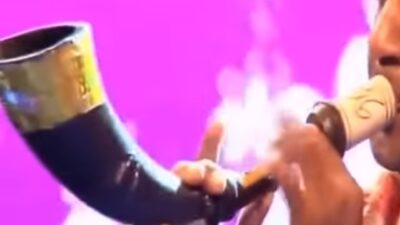
Overviewपेँपा असम का भैंस-सींग से बना 'हॉर्नपाइप' है — बिहू की सबसे पहचानी, तीखी आवाज़। छोटी बाँस की नली में कटी एकल जिह्वा फूँक से भिनभिनाती है और मुड़ा सींग उसे दूर तक जाने वाला उल्लास बना देता है। ढोल, गगना, ताल और टोका के साथ यह बोहाग बिहू का प्राण है; पर घटती भैंसों के कारण असली सींग-पेँपा अब दुर्लभ होता जा रहा है।
अंग्रेज़ी में पढ़ें · Read in English
The pepa is Assam's buffalo-horn 'hornpipe' — the most recognisable, shrill voice of Bihu. A single reed cut into a short bamboo pipe buzzes under the breath, and the curved horn turns it into a far-carrying joy. Alongside the dhol, gogona, taal and toka it is the soul of Bohag Bihu; yet with dwindling buffalo, the true horn pepa is now growing rare.
वर्गीकरण
ClassificationNatya Shastra Category
सुषिर (Sushira - wind / hollow / blown instruments)
नाट्यशास्त्र के चार वाद्य-वर्गों में पेँपा 'सुषिर' (फूँक-वाद्य) वर्ग में आता है, जहाँ ध्वनि हवा के स्तंभ के कंपन से उत्पन्न होती है। पेँपा में यह कंपन एक बाँस/बेंत की नली में कटे हुए एकल जिह्वा (single reed) से पैदा होता है और भैंस के सींग के प्याले से बढ़कर गूँजता है।
Among the four instrument classes of the Natya Shastra, the pepa belongs to the 'Sushira' (wind / blown) category, where sound is produced by the vibration of a column of air. In the pepa this vibration is set up by a single idioglottal reed cut into a bamboo or cane pipe and amplified by the flaring buffalo-horn bell.
Western Category
Single-reed wind instrument (idioglot reedpipe with horn bell)
Western Family
Hornpipe / pastoral reedpipe family (organologically related to the pibgorn, alboka and other single-reed horn-belled pipes of world folk traditions)
Sub Classification
बनावट
PhysicalDescription Hindi
पेँपा असम का एक लोक फूँक-वाद्य है, जिसे भैंस के सींग से बनाया जाता है। इसका मूल एक छोटी बाँस या बेंत की नली होती है जिसमें एक एकल जिह्वा (reed) चीरकर काटी जाती है; इस नली का दूसरा (मुँह से दूर वाला) सिरा भैंस के मुड़े हुए सींग में जड़ा जाता है, जो घंटीनुमा प्याले की तरह ध्वनि को फैलाता और तीखा-गूँजता स्वर देता है। सम्पूर्ण वाद्य प्रायः दो फुट से छोटा होता है और सींग के मुख पर एक धातु का छल्ला सजावट व मज़बूती के लिए लगाया जाता है।
Description English
The pepa is an Assamese folk wind instrument made from a buffalo horn. At its core is a short bamboo or cane pipe into which a single reed is slit and cut; the far (blowing) end of this pipe is set into the curving buffalo horn, which acts as a flaring bell that spreads and sharpens the sound into its characteristic shrill drone. The whole instrument is usually under two feet long, and a metal ring is fitted at the horn's mouth for decoration and strength.
Body
A short straight reedpipe terminating in a curved, flaring buffalo-horn bell
एक छोटी सीधी नली जिसके सिरे पर मुड़ा हुआ, फैलता भैंस-सींग का प्याला
Water-buffalo horn (bell) + bamboo/cane/reed (pipe); modern substitutes use wood, cane or metal for the pipe
भैंस का सींग (प्याला) + बाँस/बेंत/नरकट (नली); आधुनिक विकल्पों में नली के लिए लकड़ी, बेंत या धातु
40-60 (usually under two feet)
The hollow buffalo horn itself serves as the bell/resonator that projects and colours the reed's tone
Strings
None — the pepa is a wind (aerophone) instrument, not a stringed one; melody is produced by fingering the tone-holes over a single reed
None
The pepa's continuous, unbroken tone functions as a droning, buzzing sound rather than separate drone strings; skilled players use circular breathing to sustain it
Bow
लागू नहीं
Not applicable
None — a blown instrument, not bowed
0
Sound is produced by blowing across/into the single reed, not by a bow
Tuning Pegs
लागू नहीं
Not applicable
The pepa has no tuning pegs; its pitch is fixed by the bore, reed and finger-hole placement
Bridge
लागू नहीं
Not applicable
Not applicable to a wind instrument
None
Frets
पेँपा में फ्रेट नहीं होते; इसके स्थान पर बाँस की नली पर उँगलियों के छिद्र होते हैं — एकहरे (single) रूप में पाँच या छह छिद्र, और दोहरे (जुरीया/xuriya) रूप में चार छिद्र। छिद्रों को खोलकर-ढककर स्वर बदले जाते हैं।
The pepa has no frets; instead the bamboo pipe carries finger-holes — five or six holes on the single-bodied form, and four holes on the double-bodied (juriya/xuriya) form. Pitches are changed by opening and closing these holes.
Reed
Single idioglot reed
पेँपा की जान उसकी एकल जिह्वा है — बाँस या बेंत की नली में ही एक पतली परत चीरकर बनाई जाती है, जो मुँह की फूँक से कंपकर बुनियादी 'भिनभिनाती' ध्वनि देती है। यही तीखा, अटूट स्वर पेँपा की पहचान है।
The heart of the pepa is its single reed — a thin tongue slit directly into the bamboo/cane pipe that buzzes under the player's breath to give the fundamental droning tone. This piercing, unbroken sound is the pepa's signature.
5-6 (single form) / 4 (double 'juriya' form)
ध्वनि-चरित्र
SoundTonal Character Hindi
पेँपा की ध्वनि तीखी, चुभती और भिनभिनाती है — एक अटूट, ऊँची पिच वाली गूँज जो खुले खेतों में दूर तक पहुँचती है। यह उल्लास, फ़सल-कटाई और वसंत के उत्सव की आवाज़ है; इसकी नाक-सी सुरीली किंतु जंगली धार बिहू के ढोल की थाप के साथ मिलकर उत्सव का प्राण बन जाती है।
Tonal Character English
The pepa's tone is shrill, piercing and buzzing — an unbroken, high-pitched drone that carries far across open fields. It is the sound of joy, harvest and spring; its nasal-sweet yet wild edge, fused with the beat of the Bihu dhol, becomes the very pulse of the festival.
Timbre
Bright, reedy, nasal and penetrating, with a continuous buzzing drone underneath the melody
Range
Narrow folk range of roughly one octave, set by the finger-holes; not a chromatic classical range
Dynamic Range
Loud and outdoor by nature — designed to cut through drums, crowds and open-air dancing; limited soft dynamics
Techniques
सुनने का मार्गदर्शन
The Listening Guideपेँपा का रस लेना हो तो किसी बिहू-प्रदर्शन से शुरू कीजिए। पहले उसकी अकेली, ऊँची पुकार सुनिए — नाच के आरम्भ का न्योता। फिर देखिए कि वह कैसे ढोल की थाप और गगना की भिनभिनाहट में गुँथ जाती है। इसकी असली खूबी अटूट, बहती धारा में है; कुशल वादक चक्रीय श्वास से बिना रुके देर तक फूँकता है। यह शास्त्रीय अंतर्मुखता नहीं, सामूहिक खुले-मैदान का उल्लास है।
अंग्रेज़ी में पढ़ें · Read in English
To appreciate the pepa, begin with a Bihu performance. First hear its lone, high call — the invitation that opens the dance. Then notice how it braids together with the beat of the dhol and the buzz of the gogona. The pepa's beauty lies in its unbroken, flowing stream — watch how a skilled player blows on and on without a pause. This is not an introspective classical experience but a communal, open-air joy.
अन्य विवरण
More DetailsTimbre
Bright, reedy, nasal and penetrating, with a continuous buzzing drone underneath the melody
रोचक तथ्य
Margin Notesएक सींग से जन्मी धुन — लोक-कथा कहती है कि ब्रह्मपुत्र के किनारे एक चरवाहे ने परित्यक्त भैंस-सींग में से हवा गुज़रने पर उठी सुरीली ध्वनि सुनी, और वहीं से पेँपा गढ़ने का विचार जन्मा। यानी पेँपा प्रकृति की एक आकस्मिक धुन से मानव-वाद्य बन गया।
Folklore says a herdsman by the Brahmaputra heard musical tones as the wind blew through an abandoned buffalo horn, and from that the idea of the pepa was born. In other words, the pepa turned an accidental melody of nature into a human instrument.
एकहरा और दोहरा पेँपा — एकहरे पेँपा की नली में पाँच या छह छिद्र होते हैं, जबकि दोहरे 'जुरीया/xuriya' पेँपा में चार छिद्र होते हैं और दूसरी नली अटूट आधार-गूँज देती है। दोहरा रूप बड़े जमावड़ों और शोभायात्राओं में भरपूर ध्वनि के लिए बजाया जाता है।
The single pepa's pipe has five or six finger-holes, while the double 'juriya/xuriya' pepa has four holes and a second pipe that provides an unbroken drone. The double form is played for a fuller sound in large gatherings and processions.
काली — पेँपा का ताँबई रूप — चुतिया राज्य में पेँपा का एक उन्नत रूप 'काली' विकसित हुआ, जिसमें भैंस-सींग की जगह ताँबे का प्याला होता है। यह दिखाता है कि यह लोक-वाद्य समय के साथ सामग्री और रूप में बदलता भी रहा।
In the Chutia kingdom an advanced form of the pepa called 'Kaali' developed, using a copper bell in place of the buffalo horn. It shows how this folk instrument evolved in material and form over time.
घटती भैंसें, दुर्लभ होता वाद्य — असम में चरागाह घटने से भैंसों की संख्या कम हुई है, जिससे उपयुक्त सींग पाना कठिन हो गया है और पेँपा का दाम बढ़ता गया है (हाल में ₹2500 तक)। इसीलिए पेँपा को अब एक लुप्तप्राय शिल्प भी माना जाता है, जिसे संरक्षण की आवश्यकता है।
Shrinking pasture in Assam has reduced buffalo numbers, making suitable horn hard to obtain and pushing the pepa's price up (to around ₹2500 recently). For this reason the pepa is now also seen as an endangered craft in need of conservation.
सवाल-जवाब
Questions & Answersपेँपा क्या है?
पेँपा असम का एक लोक फूँक-वाद्य (हॉर्नपाइप) है, जिसे भैंस के सींग और बाँस की नली से बनाया जाता है। नली में कटी एकल जिह्वा फूँक से बजती है और मुड़ा सींग तीखी, दूर तक जाने वाली ध्वनि देता है। यह बिहू उत्सव का प्रमुख वाद्य है।
पेँपा किससे बनता है?
पेँपा भैंस के सींग से बनता है, जिसमें एक छोटी बाँस या बेंत की नली जुड़ी होती है; नली में एकल जिह्वा (reed) होती है। भैंसों की घटती संख्या के कारण अब लकड़ी, बेंत और धातु के विकल्प भी उपयोग होते हैं।
पेँपा में कितने छिद्र होते हैं?
एकहरे (single) पेँपा में पाँच या छह छिद्र होते हैं, जबकि दोहरे (जुरीया/xuriya) पेँपा में चार छिद्र होते हैं और एक नली लगातार आधार-गूँज (drone) रखती है।
पेँपा किस उत्सव से जुड़ा है?
पेँपा असम के बोहाग/रोंगाली बिहू (असमिया नववर्ष, अप्रैल) से गहराई से जुड़ा है। ढोल, गगना, ताल, टोका और बाँही के साथ यह बिहू-नाच और हुचोरी की धुन बनाता है; इसकी पुकार बिहू के आरम्भ का संकेत होती है।
क्या पेँपा एक लुप्तप्राय वाद्य है?
हाँ, एक शिल्प के रूप में। असम में चरागाहों के सिकुड़ने से भैंसें घट रही हैं, जिससे अच्छा सींग-पेँपा मिलना कठिन और महँगा (हाल में ₹2500 तक) हो गया है। फिर भी बिहू की जीवित परम्परा और सांस्कृतिक पुनरुद्धार के प्रयास इसे बचाए हुए हैं।
नमूना-पट्टी
The Specimen Table| नाम | पेँपा · Pepa |
|---|---|
| अन्य नाम | पेँपा · पेपा (Pepa) · पेँपा (Assamese: পেঁপা) · जुरीया पेँपा / xuriya pepa (double-bodied variant) · महर सिंगा / Mahar Singa (buffalo-horn form) |
| प्रकार | वाद्य · Instruments |
साझा कीजिए · Share this Plate