शास्त्र विंग · वाद्य-पट्टिका · Instrument Plate
मोरचंग
Morchang
दाँतों का संगीत — अनोखी गूँज का रहस्य · Music of the teeth — the mystery of a unique resonance
अन्य नाममुरचंग · मोरसिंग · जॉ हार्प · मुख वीणा
एक पंक्तिमोरचंग एक धातु का जॉ हार्प है जिसे दाँतों के बीच पकड़कर जीभ की धातु-पट्टी को उँगली से छेड़ते हैं और मुँह को अनुनाद कक्ष के रूप में उपयोग करते हैं।
परिचय
Overviewमोरचंग — इस शब्द के साथ ही एक रहस्य जुड़ा है। यह इतना छोटा है कि मुट्ठी में बंद हो जाए, इतना सरल कि एक बच्चा भी पकड़ सके, और इतना जादुई कि कान लगाते ही मन किसी और दुनिया में चला जाए। यह वाद्य वैश्विक है — विश्व के प्रत्येक महाद्वीप पर इसके समकक्ष पाए जाते हैं — लेकिन भारत में इसकी अपनी एक विशेष पहचान और यात्रा है। मोरचंग विश्व के सबसे प्राचीन वाद्यों में से एक है। इसका पहला प्रमाण लगभग 4,000 वर्ष पुराना है — उस काल का जब मानव अभी सभ्यता की प्रारंभिक सीढ़ियों पर था। हर संस्कृति ने इसे अपने तरीके से अपनाया — मोंगोलिया में 'दोम्बर', यूरोप में 'Jew's harp', जापान में 'koukin', वियतनाम में 'đàn môi'। भारत में यह 'मोरचंग' और दक्षिण में 'मोरसिंग' बना। भारत में मोरचंग को दो अलग परंपराओं ने अपनाया और दोनों ने इसे ऊँचाई दी। उत्तर में राजस्थान के लोक-वादकों ने इसे एक भावपूर्ण एकल वाद्य बनाया — रेगिस्तान की रातों में अकेले बजाते हुए, मुँह से वायु-तरंगें निकालते हुए। दक्षिण में कर्नाटकी संगीत के उस्तादों ने इसे ताल-वाद्य के रूप में परिष्कृत किया। T.H. विनायकराम ने मोरसिंग को शक्ति बैंड के माध्यम से अंतर्राष्ट्रीय मंच दिया — यह भारतीय लोक वाद्य का एक असाधारण उदय था। मोरचंग की सबसे अनोखी विशेषता यह है कि यह वादक का अपना शरीर — उसका मुँह — उपयोग करती है। अधिकांश वाद्य शरीर से अलग होते हैं, लेकिन मोरचंग शरीर का ही विस्तार है। मुँह का आकार बदलते ही ध्वनि बदल जाती है — यह एक ऐसा अनुभव है जो संगीत को अत्यंत व्यक्तिगत बना देता है।
अंग्रेज़ी में पढ़ें · Read in English
Morchang — mystery is attached to this very name. It is small enough to close in a fist, simple enough for a child to hold, and magical enough that as soon as one listens, the mind travels to another world. This instrument is global — equivalents are found on every continent — but in India it has its own special identity and journey.
Morchang is among the world's most ancient instruments. Its first evidence is approximately 4,000 years old — from an era when humanity was on early steps of civilization. Every culture adopted it in its own way — 'Dombar' in Mongolia, 'Jew's harp' in Europe, 'koukin' in Japan, 'đàn môi' in Vietnam. In India it became 'Morchang' and in the South 'Morsing.'
In India, two separate traditions adopted Morchang and both elevated it. In the north, Rajasthani folk players made it a soulful solo instrument — playing alone in desert nights, creating air-waves with the mouth. In the south, masters of Carnatic music refined it as a rhythmic instrument. T.H. Vinayakram gave Morsing an international stage through the Shakti band — an extraordinary rise for an Indian folk instrument.
Morchang's most unique feature is that it uses the player's own body — the mouth — as an instrument. Most instruments are separate from the body, but Morchang is an extension of the body itself. Change the mouth shape and the sound changes — an experience that makes music intensely personal.
काव्य-पंक्ति · The Verse
काव्य-पंक्ति
मोरचंग की गूँज में, मन का भेद खुले। दाँतों में धरी धुन से, आत्मा से आत्मा मिले।।
— लोक परंपरा In the resonance of Morchang, the secrets of the mind open. Through the melody held in the teeth, soul meets soul.
वर्गीकरण
ClassificationNatya Shastra
घन — धातु का इडियोफोन
Ghana — metallic idiophone
नाट्यशास्त्र में मोरचंग को 'घन' वर्ग में रखा जाता है। इसमें धातु की एक पट्टी स्वयं कंपन करके ध्वनि उत्पन्न करती है और मुँह उसे प्रवर्धित करता है। यह एक अद्वितीय संयोजन है जो इसे अन्य सभी वाद्यों से अलग बनाता है।
In Natya Shastra, Morchang is placed in 'Ghana' class. A metal tongue vibrates to produce sound and the mouth amplifies it. This unique combination distinguishes it from all other instruments.
Western
Percussion / Idiophone
Plucked Idiophone — Jaw Harp
पश्चिमी वर्गीकरण में मोरचंग 'जॉ हार्प' है — एक ऐसा वाद्य जो विश्व के प्रत्येक महाद्वीप में पाया जाता है और जिसे मानवता के सबसे पुराने वाद्यों में से एक माना जाता है।
In Western classification, Morchang is a 'Jaw Harp' — an instrument found on every continent, considered one of humanity's oldest instruments.
Hornbostel Sachs
121.21
Idioglott lamellophone / Jaw harp — metal tongue fixed at one end, plucked while frame is held to teeth
सिनेमा में
In Cinemaहिंदी सिनेमा में मोरचंग का उपयोग विशेष दृश्यों में एक विलक्षण पृष्ठभूमि ध्वनि के रूप में होता है। रेगिस्तानी दृश्यों में, रहस्यमय प्रसंगों में, और कभी-कभी कॉमेडी दृश्यों में मोरचंग की 'ट्वांग' ध्वनि सुनाई देती है। हिंदी फिल्मों के पुराने दौर में राजस्थानी लोक संगीत के साथ मोरचंग नियमित रूप से उपयोग होती थी। आधुनिक भारतीय संगीत में विशेषकर विश्व संगीत और प्रायोगिक संगीत में मोरचंग की ध्वनि को शामिल किया जाता है।
अंग्रेज़ी में पढ़ें · Read in English
In Hindi cinema, Morchang appears as a distinctive background sound in special scenes. In desert scenes, mysterious episodes, and sometimes comic situations, Morchang's 'twang' is heard. In the old era of Hindi films, Morchang regularly appeared with Rajasthani folk music. In modern Indian music, especially world music and experimental music, Morchang's sound is incorporated.
वर्तमान स्थिति
Modern Statusविवरण
मोरचंग आज एक दुर्लभ और संकटापन्न वाद्य है। इसे बजाने वाले कलाकारों की संख्या बहुत कम है। दक्षिण भारत में मोरसिंग अपेक्षाकृत बेहतर स्थिति में है क्योंकि कर्नाटकी संगीत में इसका स्थान है। लेकिन उत्तर भारत में मोरचंग वाद्य बनाने और बजाने की परंपरा तेजी से विलुप्त हो रही है। विश्व संगीत आंदोलन और यूट्यूब के माध्यम से कुछ पुनरुद्धार हुआ है — विशेष रूप से T.H. विनायकराम की प्रसिद्धि के कारण।
अंग्रेज़ी में पढ़ें · Read in English
Morchang today is a rare and endangered instrument. Very few artists play it. In South India, Morsing is in relatively better condition as it has a place in Carnatic music. But in North India, the tradition of making and playing Morchang is rapidly disappearing. Some revival has occurred through the world music movement and YouTube — especially due to T.H. Vinayakram's fame.
Estimated Players
A few hundred serious players; thousands of hobbyists worldwide
Revival Efforts
विश्व संगीत और यूट्यूब के माध्यम से युवाओं में जागरूकता बढ़ रही है। कुछ NGO राजस्थान में पारंपरिक वादकों को सहायता दे रहे हैं।
अंग्रेज़ी में पढ़ें · Read in English
Awareness growing among youth through world music and YouTube. Some NGOs are supporting traditional players in Rajasthan.
बनावट
Physicalविवरण
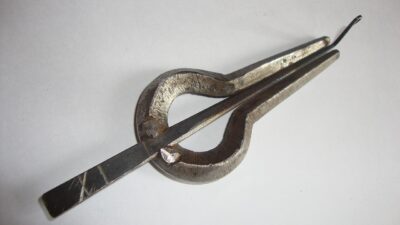
मोरचंग एक छोटा, अश्वनाल (horseshoe) के आकार का धातु का ढाँचा है जिसके बीच में एक पतली लचीली धातु की पट्टी (tongue/reed) लगी होती है। पूरा यंत्र लगभग 5-10 सेंटीमीटर लंबा होता है। ढाँचा दोनों दांतों या होंठों के बीच में रखा जाता है और ढाँचे की दोनों भुजाएँ दांतों पर टिकती हैं। धातु की पट्टी मुँह के अंदर की ओर होती है। जब उँगली से पट्टी को छेड़ा जाता है, वह कंपन करती है और यह कंपन मुँह के गुहा (oral cavity) में प्रवर्धित होती है। मुँह का आकार बदलकर (स्वर-तंत्र) वादक विभिन्न सुर उत्पन्न कर सकता है — मुँह स्वयं एक परिवर्तनशील अनुनाद कक्ष है। भारतीय मोरचंग लोहे (iron) या पीतल (brass) से बनाई जाती है। दक्षिण भारत में 'मोरसिंग' नाम की मोरचंग अधिक परिष्कृत होती है।
अंग्रेज़ी में पढ़ें · Read in English
Morchang is a small horseshoe-shaped metal frame with a thin flexible metal tongue attached in the center. The entire instrument is approximately 5-10 cm long. The frame is placed between the front teeth or lips, with both arms of the frame resting on the teeth. The metal tongue extends into the mouth. When the tongue is plucked with a finger, it vibrates — these vibrations are amplified in the oral cavity. By changing mouth shape (using the vocal tract), the player produces different pitches — the mouth itself is a variable resonating chamber. Indian Morchang is made of iron or brass. South India's 'Morsing' is a more refined version.
Dimensions
5-10 cm (length)
3-5 cm
20-80 grams
Strings Or Keys
मोरचंग में एक धातु की पट्टी होती है जो एक स्प्रिंग की तरह कार्य करती है। यही पट्टी ध्वनि का स्रोत है।
Morchang has one metal tongue that acts like a spring. This tongue is the source of sound.
1 metal tongue
Spring steel or tempered iron
Tuning
धातु पट्टी की मोटाई और लंबाई से एक निश्चित मूल स्वर (fundamental pitch) निर्धारित होता है
Metal tongue thickness and length determines a fixed fundamental pitch
Variable — each Morchang has a fixed pitch determined at manufacturing
Fixed fundamental; harmonics created by mouth shape changes
Construction
अश्वनाल के आकार का मुख्य धातु का ढाँचा जिसे दाँतों के बीच पकड़ा जाता है। यह मोरचंग का आधार है।
The horseshoe-shaped main metal frame held between the teeth. This is the foundation of Morchang.
ढाँचे के केंद्र में लगी पतली लचीली धातु की पट्टी जो उँगली से छेड़ने पर कंपन करती है।
Thin flexible metal strip attached at the center of the frame that vibrates when plucked with a finger.
ढाँचे का वह सिरा जहाँ से धातु पट्टी को छेड़ने के लिए उँगली लगाई जाती है।
The end of the frame where the finger is applied to pluck the metal tongue.
ढाँचे की दोनों भुजाओं के वे बिंदु जो वादक के सामने के दाँतों या होंठों पर टिकते हैं।
The points on both arms of the frame that rest against the player's front teeth or lips.
ध्वनि-चरित्र
SoundTonal Character
मोरचंग की ध्वनि अत्यंत अनोखी और रहस्यमय होती है। जब धातु पट्टी कंपन करती है और मुँह से इसे प्रवर्धित किया जाता है, तो एक 'भ्वाइंग-भ्वाइंग' या 'ट्वांग' प्रकार की ध्वनि निकलती है जो साथ में एक भनभनाती (buzzing) गुणवत्ता रखती है। यह ध्वनि किसी अन्य वाद्य यंत्र से नहीं मिलती। वादक जब अपने मुँह का आकार बदलता है — जैसे 'आ', 'ई', 'उ', 'ओ' स्वर करता है — तो मोरचंग विभिन्न हार्मोनिक सुर उत्पन्न करती है। दक्षिण भारत में कर्नाटकी संगीत में मोरसिंग की ध्वनि तबले के साथ मिलकर एक अद्भुत बनावट (texture) बनाती है।
अंग्रेज़ी में पढ़ें · Read in English
Morchang's sound is extremely unique and mysterious. When the metal tongue vibrates and is amplified by the mouth, a 'bwoing-bwoing' or 'twang' type sound emerges with a buzzing quality. This sound matches no other instrument. When the player changes mouth shape — vowel sounds like 'aa', 'ee', 'oo', 'oh' — Morchang produces different harmonic pitches. In South India's Carnatic music, Morsing's sound combined with tabla creates a wonderful texture.
Timbre
भनभनाती, ट्वांगी, रहस्यमय — अवचेतन को छूने वाली ध्वनि
अंग्रेज़ी में पढ़ें · Read in English
Buzzing, twangy, mysterious — sound that touches the subconscious
Dynamic Range
हल्की से मध्यम — एकल प्रदर्शन और छोटे कमरों के लिए उपयुक्त
अंग्रेज़ी में पढ़ें · Read in English
Light to medium — suitable for solo performance and small rooms
Comparison
एक धातु की कंपन और भनभनाहट — जैसे कोई अदृश्य तार छेड़ा जा रहा हो
अंग्रेज़ी में पढ़ें · Read in English
A metallic vibration and buzz — as if an invisible string is being plucked
वादन-तकनीक
Playing Techniqueविवरण
मोरचंग बजाना एक विशेष कौशल है जो पहली बार में अजीब लग सकता है। वादक ढाँचे की दोनों भुजाओं को अपने सामने के दाँतों (कभी-कभी होंठों) के बीच हल्के से पकड़ता है। यह महत्वपूर्ण है कि दाँत न तो बहुत कस कर पकड़ें और न ही बहुत ढीला — कंपन के लिए थोड़ी जगह होनी चाहिए। फिर एक हाथ की तर्जनी या अँगूठे से धातु पट्टी के बाहरी सिरे को एक तेज़ झटके से छेड़ा जाता है। ध्वनि तुरंत मुँह में गूँजती है। अब वादक मुँह का आकार बदलकर — जैसे 'आ', 'ई', 'उ' कहते हुए — विभिन्न हार्मोनिक सुर उत्पन्न करता है। साँस का भी उपयोग होता है — साँस अंदर लेते और बाहर छोड़ते समय ध्वनि में परिवर्तन आता है। दक्षिण भारत में मोरसिंग को जटिल ताल-क्रमों में बजाया जाता है जो तबला वादन के समान जटिल होते हैं।
अंग्रेज़ी में पढ़ें · Read in English
Playing Morchang is a specialized skill that may seem strange at first. The player lightly holds both arms of the frame between their front teeth (sometimes lips). It is crucial that the teeth grip neither too tight nor too loose — some space is needed for vibration. Then the index finger or thumb of one hand plucks the outer end of the metal tongue in a quick flicking motion. Sound immediately resonates in the mouth. The player now produces different harmonic pitches by changing mouth shape — as if saying 'aa', 'ee', 'oo.' Breath is also used — sound changes when inhaling and exhaling. In South India, Morsing is played in complex rhythmic patterns comparable to tabla playing.
Posture
बैठकर या खड़े होकर — मोरचंग एक हाथ से दाँतों के बीच पकड़कर, दूसरे हाथ की उँगली से पट्टी छेड़ते हुए
अंग्रेज़ी में पढ़ें · Read in English
Seated or standing — Morchang held between teeth with one hand while other hand's finger plucks the tongue
Techniques
धातु पट्टी को एक सरल झटके से छेड़कर मूल ध्वनि उत्पन्न करना। यह पहला कदम है।
Producing the basic sound by a simple flick of the metal tongue. This is the first step.
मुँह का आकार 'आ', 'ई', 'उ', 'ओ' स्वरों में बदलकर अलग-अलग हार्मोनिक सुर निकालना। यह मोरचंग की विशेष तकनीक है।
Producing different harmonic pitches by changing mouth shape to vowel sounds 'aa', 'ee', 'oo', 'oh'. This is Morchang's special technique.
छेड़न के साथ साँस अंदर-बाहर करके ध्वनि में तरंगें और विविधता लाना।
Creating undulations and variety in sound by coordinating plucking with inhaling and exhaling.
दक्षिण भारत में मोरसिंग को जटिल कर्नाटकी ताल-क्रमों में बजाया जाता है — जैसे आदि ताल, रूपक ताल। यह उन्नत तकनीक अत्यंत जटिल है।
In South India, Morsing is played in complex Carnatic rhythmic patterns like Adi Taal, Rupak Taal. This advanced technique is extremely complex.
मुँह के आकार को सूक्ष्म रूप से नियंत्रित करके मोरचंग की धातु पट्टी के प्राकृतिक हार्मोनिक श्रृंखला के विभिन्न सुर निकालना।
Extracting different notes from Morchang's natural harmonic series by micro-controlling mouth shape.
निर्माण-प्रक्रिया
Making Processविवरण
मोरचंग बनाना एक सूक्ष्म शिल्प है जिसमें धातु की विशेष समझ आवश्यक है। लोहे या पीतल की एक पट्टी लेकर उसे गर्म करके अश्वनाल का आकार दिया जाता है। फिर धातु की एक पतली पट्टी (reed) को ढाँचे के बीच में इस प्रकार लगाया जाता है कि वह स्वतंत्र रूप से कंपन कर सके। पट्टी की मोटाई और लंबाई यंत्र की पिच निर्धारित करती है — यह सबसे जटिल भाग है। पट्टी को अंतिम आकार देने के लिए बहुत बारीक फाइलिंग और पॉलिशिंग की जाती है। यंत्र की गुणवत्ता का परीक्षण बजाकर किया जाता है। एक अच्छी मोरचंग बनाने में कई दिन लग सकते हैं।
अंग्रेज़ी में पढ़ें · Read in English
Making Morchang is a precise craft requiring special understanding of metal. An iron or brass strip is heated and shaped into horseshoe form. Then a thin metal tongue (reed) is attached in the center of the frame so it can vibrate freely. The tongue's thickness and length determines the instrument's pitch — the most complex part. Very fine filing and polishing gives the tongue its final shape. Quality is tested by playing. Making a good Morchang can take several days.
Materials
पारंपरिक उत्तर भारतीय मोरचंग में उपयोग — गहरी ध्वनि।
Used in traditional North Indian Morchang — deeper sound.
आधुनिक मोरचंग में उपयोग — हल्की और मधुर ध्वनि।
Used in modern Morchang — lighter and sweeter sound.
पट्टी के लिए सर्वोत्तम सामग्री — लचीली और टिकाऊ, लंबे समय तक कंपन।
Best material for the tongue — flexible and durable, long-lasting vibration.
Artisan Centers
उत्तर भारत में मोरचंग के मुख्य निर्माण केंद्र।
Main manufacturing centers for Morchang in North India.
दक्षिण भारत में मोरसिंग (दक्षिणी संस्करण) के लिए प्रसिद्ध कारीगर।
Famous artisans for Morsing (southern version) in South India.
आंध्र प्रदेश और तेलंगाना में मोरचंग निर्माण की परंपरा।
Morchang manufacturing tradition in Andhra Pradesh and Telangana.
Time To Craft
2-5 days per instrument
Price Range
₹200–2,000
संगीत-समूह में भूमिका
Role In EnsemblePrimary Role
कर्नाटकी संगीत में ताल वाद्य के रूप में और राजस्थानी लोक संगीत में एकल/संगत वाद्य
अंग्रेज़ी में पढ़ें · Read in English
Rhythmic instrument in Carnatic music and solo/accompaniment instrument in Rajasthani folk music
Solo Capability
मोरचंग एकल प्रदर्शन में बहुत प्रभावशाली हो सकती है। दक्षिण भारत में इसके एकल प्रदर्शन होते हैं जहाँ वादक जटिल ताल-क्रम प्रस्तुत करता है।
अंग्रेज़ी में पढ़ें · Read in English
Morchang can be very impressive in solo performance. In South India, solo Morsing concerts are held where the player presents complex rhythmic sequences.
Accompaniment For
दक्षिण भारत में मोरसिंग को मृदंग और तबले के साथ कर्नाटकी संगीत में संगत के रूप में बजाया जाता है।
In South India, Morsing is played as accompaniment in Carnatic music alongside mridangam and tabla.
राजस्थान में मोरचंग को लोक गीतों और नृत्यों के साथ संगत में बजाया जाता है।
In Rajasthan, Morchang is played as accompaniment with folk songs and dances.
मोरचंग की अनोखी ध्वनि ध्यान और आत्म-अन्वेषण के संगीत में उपयोग होती है।
Morchang's unique sound is used in meditation and self-exploration music.
लोक संगीत में
In Folk Musicमोरचंग का सबसे व्यापक उपयोग राजस्थान, आंध्र प्रदेश, और कर्नाटक के लोक संगीत में है। राजस्थान में मोरचंग अकेले ही एक पूर्ण संगीत प्रदर्शन दे सकती है। आंध्र प्रदेश में 'मोरसिंग' का उपयोग विविध लोक-संगीत परंपराओं में होता है। कर्नाटक में जमुगुडु के साथ मोरचंग की जोड़ी एक पारंपरिक संयोजन है। उत्तर-पूर्व भारत में भी इसके समकक्ष वाद्य पाए जाते हैं।
अंग्रेज़ी में पढ़ें · Read in English
Morchang's widest use is in folk music of Rajasthan, Andhra Pradesh, and Karnataka. In Rajasthan, Morchang alone can give a complete musical performance. In Andhra Pradesh, 'Morsing' appears in various folk music traditions. In Karnataka, Morchang paired with Jamugudu is a traditional combination. Equivalent instruments are also found in Northeast India.
क्षेत्रीय रूप
Regional Variantsदक्षिण भारत में मोरसिंग उत्तर भारत की मोरचंग से थोड़ी अलग है — इसका ढाँचा अधिक परिष्कृत है और कर्नाटकी संगीत के लिए विशेष रूप से बनाई जाती है।
South India's Morsing differs slightly from North Indian Morchang — its frame is more refined and specially crafted for Carnatic music.
पूर्वोत्तर भारत में बाँस और धातु से बनी मोरचंग के स्थानीय संस्करण मिलते हैं।
Local variants of Morchang made from bamboo and metal are found in Northeast India.
उत्तर भारत की पारंपरिक मोरचंग लोहे से बनी होती है और इसकी ध्वनि दक्षिणी संस्करण से अधिक गहरी और 'भनभनाती' होती है।
Traditional North Indian Morchang is made of iron and its sound is deeper and more 'buzzing' than the southern version.
प्रसिद्ध वादक
Famous Playersपद्म श्री से सम्मानित, कर्नाटकी संगीत में घटम और मोरसिंग के महान कलाकार। उन्होंने शक्ति बैंड (जॉन मैक्लॉघलिन, ज़ाकिर हुसैन) के साथ विश्व संगीत में मोरसिंग की पहचान बनाई। उनका मोरसिंग वादन कर्नाटकी संगीत में एक नया अध्याय है।
Padma Shri recipient, great artist of Ghatam and Morsing in Carnatic music. With the Shakti band (John McLaughlin, Zakir Hussain), he established Morsing's identity in world music. His Morsing playing is a new chapter in Carnatic music.
कर्नाटकी संगीत में मोरसिंग के विशेषज्ञ जिन्होंने इस वाद्य की तकनीकी क्षमताओं को नई सीमाओं तक पहुँचाया।
Morsing specialist in Carnatic music who has pushed the technical capabilities of this instrument to new limits.
राजस्थान की एक प्रसिद्ध भक्ति परंपरा में मोरचंग वादन को आध्यात्मिक अभ्यास के रूप में प्रचारित करने वाले संत।
A saint in a famous Rajasthani devotional tradition who promoted Morchang playing as spiritual practice.
भारतीय पौराणिक कथाओं में रावण को एक महान संगीतज्ञ माना जाता है। कुछ पुराण-कथाओं में उसे मोरचंग जैसे वाद्यों का आविष्कारक बताया जाता है। यह एक पौराणिक संबंध है, ऐतिहासिक नहीं।
In Indian mythology, Ravana is considered a great musician. Some Puranic stories describe him as inventor of instruments similar to Morchang. This is a mythological association, not historical.
कर्नाटक के एक युवा मोरसिंग कलाकार जिन्होंने इस वाद्य को नई पीढ़ी में लोकप्रिय बनाने का काम किया है।
A young Karnataka Morsing artist who has worked to popularize this instrument among the new generation.
राग-उपयुक्तता
Raag Suitabilityसिंधु भैरवी की लोच और गहराई मोरचंग के हार्मोनिक खेल के साथ अद्भुत मेल बनाती है।
Sindhu Bhairavi's flexibility and depth creates wonderful harmony with Morchang's harmonic play.
भैरवी की कोमल विदाई-भाव की प्रकृति मोरचंग की भनभनाती ध्वनि के साथ एक विशेष रहस्यमय संगम बनाती है।
Bhairavi's gentle farewell nature creates a special mysterious confluence with Morchang's buzzing sound.
खमाज के लचीलेपन में मोरचंग की ध्वनि-विविधता बहुत अच्छी तरह फिट होती है।
Morchang's sound variety fits very well in Khamaj's flexibility.
पीलू की अनौपचारिक और उत्सवी प्रकृति मोरचंग के जादुई स्वर के साथ मनोरंजक होती है।
Pilu's informal and festive nature is entertaining with Morchang's magical tones.
घराना-संबंध
Gharana Connectionsदक्षिण भारत में तंजावुर की कर्नाटकी परंपरा में मोरसिंग को ताल वाद्यों के समूह में स्थान मिला है।
In South India, Morsing has been given a place among percussion instruments in Thanjavur's Carnatic tradition.
सीखने का मार्ग
Learning Pathविवरण
मोरचंग सीखना एक अनोखी चुनौती है। पहली बार बजाना बहुत अजीब लग सकता है — दाँतों पर धातु, मुँह में कंपन। लेकिन एक बार जब बुनियादी ध्वनि आ जाए, तो यह बहुत संतोषजनक होती है। प्रारंभ में सही पकड़ और मूल छेड़न सीखनी होती है। दूसरे चरण में मुँह के आकार के बदलाव से हार्मोनिक सुर निकालना होता है। तीसरे चरण में साँस और पट्टी को मिलाकर बजाना आता है। कर्नाटकी शैली के लिए तबला-जैसे जटिल ताल-क्रम सीखने होते हैं जो वर्षों का अभ्यास माँगते हैं।
अंग्रेज़ी में पढ़ें · Read in English
Learning Morchang is a unique challenge. Playing for the first time feels very strange — metal on teeth, vibration in mouth. But once the basic sound comes, it is very satisfying. Initially, correct grip and basic plucking must be learned. The second stage involves producing harmonic pitches through mouth shape changes. Third stage combines breath and tongue. For Carnatic style, tabla-like complex rhythmic patterns must be learned, requiring years of practice.
Beginner Steps
दाँतों के बीच मोरचंग को सही ढंग से रखना और पहली मूल ध्वनि निकालना।
Placing Morchang correctly between teeth and producing the first basic sound.
मुँह का आकार बदलकर 'आ', 'ई', 'उ' स्वरों के साथ अलग-अलग सुर निकालना।
Producing different pitches with vowel sounds 'aa', 'ee', 'oo' by changing mouth shape.
छेड़न के साथ साँस अंदर-बाहर करके ध्वनि में तरंगें लाना।
Creating undulations in sound by coordinating plucking with inhaling and exhaling.
सामान्य अवधि
Few days for basic sound; years for Carnatic mastery
संस्थान
दक्षिण भारत के कर्नाटकी संगीत संस्थानों में मोरसिंग की शिक्षा दी जाती है।
South Indian Carnatic music institutions offer Morsing training.
राजस्थान में लोक वादकों से मोरचंग की शिक्षा।
Morchang training from folk players in Rajasthan.
सांस्कृतिक महत्व
Cultural Significanceमोरचंग भारतीय संगीत परंपरा में एक अनोखा स्थान रखती है। यह न केवल राजस्थान का लोक वाद्य है बल्कि मानव-संगीत की एक सार्वभौमिक भाषा का हिस्सा है। दुनिया भर में जॉ हार्प के अनगिनत संस्करण इस बात का प्रमाण हैं कि यह ध्वनि — यह विशेष कंपन — मनुष्य के मन में कुछ मौलिक छूती है। राजस्थान में मोरचंग एकांत और आत्म-चिंतन का वाद्य है। दक्षिण भारत में यह सामूहिक संगीत में योगदानकर्ता है। दोनों परंपराओं में यह एक साधन है — आत्मा की अभिव्यक्ति का।
अंग्रेज़ी में पढ़ें · Read in English
Morchang holds a unique place in Indian music tradition. It is not only Rajasthan's folk instrument but part of a universal language of human music. Countless versions of jaw harps worldwide prove that this sound — this special vibration — touches something fundamental in the human mind. In Rajasthan, Morchang is an instrument of solitude and self-reflection. In South India, it is a contributor to collective music. In both traditions, it is a means — of expressing the soul.
सुनने का मार्गदर्शन
The Listening Guideमोरचंग सुनने के लिए पहले T.H. विनायकराम के साथ शक्ति बैंड की रिकॉर्डिंग सुनें — विशेषकर 'Natural Elements' एल्बम। फिर राजस्थानी लोक-वादकों की एकल मोरचंग रिकॉर्डिंग सुनें। ध्यान दें कि मुँह के आकार के बदलाव से ध्वनि में क्या-क्या परिवर्तन आते हैं। यह एक ऐसा वाद्य है जिसे सुनकर मन में एक विशेष 'hypnotic' प्रभाव आता है।
अंग्रेज़ी में पढ़ें · Read in English
To listen to Morchang, first hear Shakti band recordings with T.H. Vinayakram — especially the 'Natural Elements' album. Then listen to solo Morchang recordings of Rajasthani folk players. Notice what changes occur in sound with mouth shape changes. This is an instrument that, when heard, creates a special 'hypnotic' effect.
श्रवण-कक्ष · The Listening Room
देखें-सुनें
T.H. विनायकराम — मोरसिंग प्रदर्शन · T.H. Vinayakram · varies
मोरचंग — जॉ हार्प परिचय · World Music Education · varies
परिचय
Identity- Year Of Origin
- -1000
वर्गीकरण
Classification- Code
- 121.21
- Description
- Idioglott lamellophone / Jaw harp — metal tongue fixed at one end, plucked while frame is held to teeth
- Category
- घन — धातु का इडियोफोन
- Category En
- Ghana — metallic idiophone
- Description
- नाट्यशास्त्र में मोरचंग को 'घन' वर्ग में रखा जाता है। इसमें धातु की एक पट्टी स्वयं कंपन करके ध्वनि उत्पन्न करती है और मुँह उसे प्रवर्धित करता है। यह एक अद्वितीय संयोजन है जो इसे अन्य सभी वाद्यों से अलग बनाता है।
- Description En
- In Natya Shastra, Morchang is placed in 'Ghana' class. A metal tongue vibrates to produce sound and the mouth amplifies it. This unique combination distinguishes it from all other instruments.
Hornbostel Sachs
Natya Shastra
अन्य विवरण
More Details- ढाँचा / चाप (Frame / Arch) — अश्वनाल के आकार का मुख्य धातु का ढाँचा जिसे दाँतों के बीच पकड़ा जाता है। यह मोरचंग का आधार है। · Frame / Arch
- धातु पट्टी / जीभ (Metal Tongue / Reed) — ढाँचे के केंद्र में लगी पतली लचीली धातु की पट्टी जो उँगली से छेड़ने पर कंपन करती है। · Metal Tongue / Reed
- हैंडल / पकड़ का छोर (Handle End) — ढाँचे का वह सिरा जहाँ से धातु पट्टी को छेड़ने के लिए उँगली लगाई जाती है। · Handle End
- दाँत-टिकान बिंदु (Teeth Contact Points) — ढाँचे की दोनों भुजाओं के वे बिंदु जो वादक के सामने के दाँतों या होंठों पर टिकते हैं। · Teeth Contact Points
- System
- धातु पट्टी की मोटाई और लंबाई से एक निश्चित मूल स्वर (fundamental pitch) निर्धारित होता है
- System En
- Metal tongue thickness and length determines a fixed fundamental pitch
- Standard Tuning
- Variable — each Morchang has a fixed pitch determined at manufacturing
- Range
- Fixed fundamental; harmonics created by mouth shape changes
- Timbre
- भनभनाती, ट्वांगी, रहस्यमय — अवचेतन को छूने वाली ध्वनि
Construction
Tuning
रोचक तथ्य
Margin Notesमोरचंग विश्व के सबसे पुराने वाद्यों में से एक है। चीन में जॉ हार्प के 4,000 वर्ष पुराने प्रमाण मिले हैं। मानवता के प्रत्येक महाद्वीप पर इसके स्थानीय संस्करण मिलते हैं — यह प्रमाण है कि यह ध्वनि मानव-स्वभाव से गहराई से जुड़ी है।
Morchang is among the world's oldest instruments. Evidence of jaw harps 4,000 years old has been found in China. Local versions are found on every continent of humanity — evidence that this sound is deeply connected to human nature.
मोरचंग का एक वैज्ञानिक रहस्य है — यह एकमात्र ऐसा वाद्य है जहाँ शरीर की गुहा (oral cavity) स्वयं अनुनाद कक्ष का काम करती है। इसलिए प्रत्येक व्यक्ति की मोरचंग ध्वनि थोड़ी अलग होती है — मुँह का आकार, दाँतों की संरचना, और जीभ की स्थिति — सब प्रभावित करते हैं।
Morchang has a scientific mystery — it is the only instrument where the body cavity (oral cavity) itself serves as the resonating chamber. Therefore, every person's Morchang sound is slightly different — mouth shape, dental structure, and tongue position all affect it.
T.H. विनायकराम ने जब शक्ति बैंड (1970s) में मोरसिंग बजाया, तो पश्चिम के संगीतकार इस वाद्य से परिचित नहीं थे। उन्होंने इसे 'अजीब' कहा। लेकिन जैसे-जैसे बैंड की रिकॉर्डिंग लोकप्रिय हुई, मोरसिंग विश्व संगीत का हिस्सा बन गई।
When T.H. Vinayakram played Morsing in the Shakti band (1970s), Western musicians were unfamiliar with this instrument. They called it 'strange.' But as the band's recordings became popular, Morsing became part of world music.
मोरचंग के नाम का रहस्य भी दिलचस्प है। 'मोरचंग' — संभवतः 'मुख' (मुँह) + 'चंग' (ध्वनि) से बना। 'मोरसिंग' — कुछ विद्वान इसे 'मोर-सिंघ' से जोड़ते हैं — यानी मोर का सींग। क्या मोर की आवाज़ जैसी ध्वनि? यह नाम का रहस्य अनसुलझा है।
The mystery of Morchang's name is also interesting. 'Morchang' — possibly from 'Mukh' (mouth) + 'Chang' (sound). 'Morsing' — some scholars link it to 'Mor-Singh' — meaning peacock's horn. A sound like peacock's call? This name mystery remains unsolved.
मोरचंग की धातु पट्टी इतनी सूक्ष्म कंपन करती है कि एक सेकंड में सैकड़ों बार आगे-पीछे होती है। यह कंपन मुँह में 'हार्मोनिक्स' — उच्च आवृत्ति के सहायक स्वर — उत्पन्न करती है जो मुँह के आकार के अनुसार बदलते हैं। इस तरह एक स्वर से अनेक स्वर निकलते हैं।
Morchang's metal tongue vibrates so subtly — moving back and forth hundreds of times per second. This vibration produces 'harmonics' — high-frequency overtones — in the mouth that change according to mouth shape. This way, many pitches emerge from one fundamental.
यूट्यूब पर मोरचंग/मोरसिंग के वीडियो देखकर कई पश्चिमी संगीतकारों ने इस वाद्य को अपनाया है। आज दुनिया में हज़ारों 'जॉ हार्प' वादक हैं जिनमें से कई भारतीय मोरसिंग से प्रेरित हैं। यह भारतीय लोक संगीत का एक रोचक वैश्विक प्रसार है।
Watching Morchang/Morsing videos on YouTube, many Western musicians have adopted this instrument. Today there are thousands of 'jaw harp' players worldwide, many inspired by Indian Morsing. This is an interesting global spread of Indian folk music.
क्या आप जानते हैं?
Did You Knowक्या आप जानते हैं कि मोरचंग/जॉ हार्प विश्व के प्रत्येक महाद्वीप पर पाई जाती है? मोंगोलिया, नॉर्वे, ऑस्ट्रेलिया, जापान, वियतनाम, भारत — हर जगह इसके स्थानीय संस्करण हैं। यह शायद मानवता का सबसे सार्वभौमिक वाद्य है।
Did you know that Morchang/Jaw Harp is found on every continent in the world? Mongolia, Norway, Australia, Japan, Vietnam, India — every place has local versions. It is perhaps humanity's most universal instrument.
क्या आप जानते हैं कि NASA के अंतरिक्ष यात्री भी कभी-कभी जॉ हार्प (मोरचंग का पश्चिमी संस्करण) के वीडियो अंतरिक्ष से साझा करते हैं? इस छोटे वाद्य की ध्वनि में कुछ ऐसा है जो मनुष्य को — यहाँ तक कि अंतरिक्ष में — आकर्षित करती है।
Did you know that NASA astronauts sometimes share jaw harp (Western version of Morchang) videos from space? There is something in this small instrument's sound that attracts humans — even in space.
क्या आप जानते हैं कि मोरचंग बजाने से तनाव कम होता है? शोध में पाया गया है कि मोरचंग की कंपन-ध्वनि और इसे बजाने की प्रक्रिया में एक ध्यानात्मक (meditative) गुण है जो मन को शांत करता है।
Did you know that playing Morchang reduces stress? Research has found that Morchang's vibration sound and the process of playing it has a meditative quality that calms the mind.
सूक्तियाँ
Words of the Masters“मोरचंग दाँतों में होती है, लेकिन गूँजती है ब्रह्मांड में।”
“Morchang is held in the teeth, but resonates in the universe.”
— — राजस्थानी लोक कथन
“जब मैं मोरसिंग बजाता हूँ, तो मेरा पूरा शरीर संगीत बन जाता है।”
“When I play Morsing, my entire body becomes music.”
— — T.H. विनायकराम
“इतने छोटे यंत्र में इतना बड़ा ब्रह्मांड — यही तो मोरचंग का जादू है।”
— — भारतीय संगीत परंपरा“Such a vast universe in such a small instrument — that is the magic of Morchang.”
सवाल-जवाब
Questions & Answersमोरचंग क्या है और इसे कैसे बजाते हैं?
मोरचंग एक अश्वनाल के आकार का धातु का ढाँचा है जिसके बीच में एक पतली धातु पट्टी लगी होती है। इसे दाँतों के बीच हल्के से पकड़कर उँगली से पट्टी को छेड़ा जाता है। कंपन मुँह में गूँजती है। मुँह का आकार बदलकर — जैसे 'आ', 'ई', 'उ' — विभिन्न हार्मोनिक सुर निकाले जाते हैं। यह विश्व के सबसे प्राचीन वाद्यों में से एक है जो भारत, मोंगोलिया, जापान, और यूरोप सभी में पाया जाता है।
मोरचंग और मोरसिंग में क्या अंतर है?
मोरचंग उत्तर भारत (विशेषकर राजस्थान) का नाम है, जबकि मोरसिंग दक्षिण भारत (तमिलनाडु, कर्नाटक, आंध्र) का। दोनों मूलतः एक ही प्रकार का जॉ हार्प हैं लेकिन निर्माण और वादन शैली में अंतर है। मोरसिंग अधिक परिष्कृत है और कर्नाटकी संगीत के ताल-क्रमों के लिए विशेष रूप से अनुकूलित है।
T.H. विनायकराम ने मोरसिंग को किस प्रकार प्रसिद्ध किया?
पद्म श्री T.H. विनायकराम ने शक्ति बैंड में मोरसिंग बजाकर इसे अंतर्राष्ट्रीय पहचान दी। शक्ति बैंड में जॉन मैक्लॉघलिन (गिटार) और ज़ाकिर हुसैन (तबला) के साथ उनके मोरसिंग ने दिखाया कि यह वाद्य जैज़ और विश्व संगीत में भी उतना ही प्रभावशाली है। उन्होंने मोरसिंग को एकल वाद्य के रूप में भी स्थापित किया।
इतिहास
The Historyउत्पत्ति — अत्यंत प्राचीन — कम से कम 3000 वर्ष पूर्व Origin
मोरचंग मानवता के सबसे प्राचीन वाद्यों में से एक है। इसके प्रमाण विश्व के विभिन्न प्राचीन सभ्यताओं में मिलते हैं। भारत में इसका उल्लेख प्राचीन ग्रंथों में 'मुरचंग' के रूप में मिलता है। यह संभव है कि प्राचीन भारतीय व्यापारियों ने इसे मध्य एशिया से भारत लाया हो — या हो सकता है कि यह स्वतंत्र रूप से भारत में भी विकसित हुआ हो। राजस्थान और दक्षिण भारत में इसकी अलग-अलग परंपराएँ विकसित हुईं।
अंग्रेज़ी में पढ़ें · Read in English
Morchang is among humanity's most ancient instruments. Its evidence is found in various ancient civilizations worldwide. In India, it is mentioned as 'Murcchang' in ancient texts. It is possible that ancient Indian traders brought it from Central Asia — or it may have independently developed in India. Separate traditions developed in Rajasthan and South India.
विकास-यात्रा · Evolution
- प्राचीन काल (3000 ईसा पूर्व — 500 ईस्वी) बाँस और अस्थि से बनी प्रारंभिक मोरचंग। धीरे-धीरे धातु का उपयोग शुरू हुआ। प्राचीन व्यापार मार्गों के माध्यम से विभिन्न क्षेत्रों में फैली।
- मध्यकाल — भारतीय विकास (500 — 1800 ईस्वी) भारत में लोहे और पीतल की मोरचंग विकसित हुई। राजस्थान में लोक परंपरा और दक्षिण भारत में कर्नाटकी संगीत में इसका स्थान सुनिश्चित हुआ।
- आधुनिक काल — वैश्विक मान्यता (1900 — वर्तमान) T.H. विनायकराम और शक्ति बैंड के माध्यम से मोरसिंग को अंतर्राष्ट्रीय पहचान मिली। यूट्यूब और विश्व संगीत के माध्यम से इसकी वैश्विक प्रासंगिकता बढ़ी।
प्रमुख पड़ाव · Key Milestones
- -3000 विश्व में जॉ हार्प / मोरचंग के सबसे प्राचीन प्रमाण
- 200 भारतीय प्राचीन ग्रंथों में 'मुरचंग' का उल्लेख
- 1500 राजस्थान में लोक-वाद्य के रूप में मोरचंग की स्थापित परंपरा
- 1970 शक्ति बैंड (T.H. विनायकराम) — मोरसिंग को विश्व संगीत मंच पर पहुँचाया
- 2000 यूट्यूब पर मोरचंग/जॉ हार्प वीडियो वायरल — विश्वव्यापी पुनर्जागृति
- 2015 भारत में मोरचंग को अमूर्त सांस्कृतिक विरासत सूची में शामिल करने की पहल
नमूना-पट्टी
The Specimen Table| नाम | मोरचंग · Morchang |
|---|---|
| अन्य नाम | मुरचंग · मोरसिंग · जॉ हार्प · मुख वीणा · Morsing · Murcchang |
| उद्गम | -1000 |
| काल | अत्यंत प्राचीन — कम से कम 3000 वर्ष पूर्व |
| प्रकार | वाद्य · Instruments |
जुड़े हुए पन्ने
Connected Plates · The Graph Made Visibleअटलस में कोई पन्ना अकेला नहीं — इस वाद्य से जुड़े गीत, कलाकार, शास्त्र और कहानियाँ, सब यहाँ से खुलते हैं।
जुड़े गीत · Songs
इस वाद्य के गीत
Songs of this Instruments
साझा कीजिए · Share this Plate