शास्त्र विंग · वाद्य-पट्टिका · Instrument Plate
झांझ
Jhanjh
अन्य नामझाँझ · झांझर · बड़ी झांझ · Jhanj
परिचय
Overviewझांझ कांसे की दो भारी तश्तरियों की एक जोड़ी है — मंजीरे की बड़ी, प्रतापी बहन — जिसे दोनों हाथों से टकराकर बजाया जाता है। इसकी गहरी, दूर तक जाने वाली झंकार आरती, कीर्तन, भजन, बरात और देवी-देवता के जुलूसों में सामूहिक लय और भक्ति का केंद्र बनती है। यह कोई एकल-वादन का सितारा नहीं, बल्कि वह घन-वाद्य है जो पूरे जनसमूह को एक ताल में पिरो देता है।
अंग्रेज़ी में पढ़ें · Read in English
The jhanjh is a pair of heavy bronze discs — the large, commanding elder sister of the manjira — clashed with both hands. Its deep, far-carrying ring becomes the centre of collective rhythm and devotion in aarti, kirtan, bhajan, wedding baraats and deity processions. It is no solo star but the ghana-vadya that threads an entire crowd into a single tala.
वर्गीकरण
ClassificationNatya Shastra Category
घन (Ghana - solid / struck idiophones)
झांझ नाट्यशास्त्र के घन-वाद्य वर्ग में आती है — वे ठोस धातु वाद्य जिनका पूरा शरीर ही कंपन कर ध्वनि उत्पन्न करता है और जिन्हें ट्यून (स्वरबद्ध) करने की आवश्यकता नहीं होती। दो कांसे/पीतल की तश्तरियों को आपस में टकराकर ध्वनि निकाली जाती है।
The jhanjh belongs to the Ghana (solid idiophone) category of the Natya Shastra — solid metal instruments whose entire body vibrates to produce sound and which need no tuning. Sound is produced by clashing two bronze/brass discs against each other.
Western Category
Concussion idiophone (a pair of clashed cymbals)
Western Family
Cymbal family (larger and heavier cousins of finger cymbals; comparable in role to orchestral crash cymbals but hand-clashed for rhythm-keeping)
Sub Classification
बनावट
PhysicalDescription Hindi
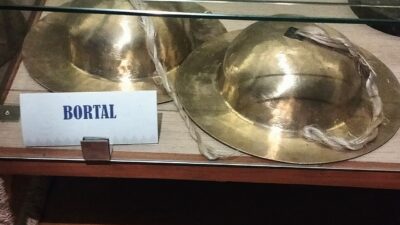
झांझ पीतल या कांसे (बेल-मेटल) की दो बड़ी, भारी, गोल तश्तरियों की एक जोड़ी है। यह मंजीरे से कहीं बड़ी और भारी होती है — व्यास अक्सर 15 से 30 सेंटीमीटर या उससे अधिक। प्रत्येक तश्तरी के केंद्र में एक उभरा हुआ गुंबद (नाभि/बोस) होता है जिसमें एक छेद कर डोरी या कपड़े की पट्टी पिरोई जाती है, जिससे वादक इसे पकड़ता है।
Description English
The jhanjh is a pair of large, heavy, round bronze or brass (bell-metal) discs. It is far larger and heavier than the manjira — often 15 to 30 centimetres in diameter or more. Each disc has a raised central dome (boss/nabhi) pierced with a hole through which a cord or cloth strap is threaded so the player can hold it.
Body
Two matched circular concave discs with a raised central boss
केंद्र में उभरे गुंबद वाली दो एक-समान गोल, अवतल तश्तरियाँ
Bell-metal (kansa, a bronze alloy of copper and tin) or thick brass; premium ritual sets use high-tin bronze for longer sustain
कांसा (तांबे-टिन की मिश्र धातु) या मोटा पीतल; उत्तम पूजा-सेटों में लंबी गूँज के लिए उच्च-टिन कांसा
15-30+ (much larger than the 5-8 cm manjira)
Heavy — a large temple pair can weigh well over a kilogram, giving a deep, sustaining ring
The whole metal disc resonates; the raised central boss and the thickness of the metal determine pitch, loudness and sustain
Central Boss
नाभि / गुंबद
Boss (nabhi)
प्रत्येक तश्तरी के बीच का उठा हुआ भाग, जिसमें छेद होता है। यह गुंबद वाद्य को मजबूती देता है और ध्वनि का केंद्र बनता है।
The raised central portion of each disc, pierced with a hole. The boss strengthens the disc and forms the focal point of the sound.
Cord
डोरी / पट्टी
Cord / strap (dori)
गुंबद के छेद से पिरोई गई मोटी डोरी या कपड़े की पट्टी, जिसे वादक हथेली में पकड़ता है और दोनों तश्तरियों को नियंत्रित करता है।
A thick cord or cloth strap threaded through the boss hole; the player grips it in the palm to control each disc.
Cotton cord, leather, or woven cloth
Surface Finish
तश्तरियों की सतह प्रायः सपाट-चमकदार होती है; कुछ पर वृत्ताकार खरादी रेखाएँ (लेथ-मार्क) होती हैं जो ध्वनि और सजावट दोनों को प्रभावित करती हैं।
The disc surface is usually smooth and polished; some show concentric lathe-turned rings that affect both tone and appearance.
How It Differs From Manjira
मंजीरा छोटी (5-8 सेमी), हल्की और उँगलियों/डोरी से बजने वाली जोड़ी है जो तीखी 'टिन-टिन' ध्वनि देती है; झांझ बड़ी, भारी और दोनों हाथों से टकराई जाने वाली है, जिसकी ध्वनि गहरी, गूँजती और दूर तक फैलने वाली होती है।
The manjira is small (5-8 cm), light and played by fingers/cord with a sharp 'tink-tink'; the jhanjh is large, heavy and clashed with both hands, giving a deep, ringing, far-carrying sound.
ध्वनि-चरित्र
SoundTonal Character Hindi
झांझ की ध्वनि गहरी, धात्विक, गूँजती और शक्तिशाली होती है। एक ही आघात लंबे समय तक झनझनाता (सस्टेन) रहता है, जिससे यह आरती, कीर्तन और जुलूसों में दूर तक सुनाई देती है और वातावरण में एक भक्तिमय कंपन भर देती है।
Tonal Character English
The jhanjh's tone is deep, metallic, ringing and powerful. A single clash sustains for a long time, so it carries far in aarti, kirtan and processions, filling the atmosphere with a devotional shimmer.
Timbre
Bright metallic attack with a long, humming, shimmering decay (much longer sustain than the small manjira)
Pitch
Untuned / indefinite pitch — larger and thicker discs sound lower and boom more; it marks rhythm, not melody
Dynamic Range
Loud and commanding by nature; can be damped against the body for softer keeping or left ringing for climactic swells
Techniques
सुनने का मार्गदर्शन
The Listening Guideझांझ को सुनना हो तो किसी आरती या सामूहिक कीर्तन में उस गहरी, देर तक गूँजती झंकार को पहचानिए जो हर मुख्य ताल पर पड़ती है — यही झांझ है, मंजीरे की बड़ी, गंभीर बहन।
अंग्रेज़ी में पढ़ें · Read in English
To listen to the jhanjh, first attend closely to an aarti or kirtan — pick out the deep, ringing 'jhaa…nn' that lands on each main beat and lingers. Then compare it with the sharp 'tink-tink' of the manjira; the difference is size and sustain. At the climax of a kirtan, hear how the jhanjh's rapid shimmer sweeps the whole gathering into ecstasy.
श्रवण-कक्ष · The Listening Room
देखें-सुनें
Pushtimargiya Haveli Sangeet || Aao Kirtan Sikhe || S01E09 || Learn How to Play Jhanjh · 6:26
Jhanjh manjeera kaise bajate hain. How to play Cymbals in Kirtan · 1:04
परिचय
Identity- Year Of Origin
- -200
अन्य विवरण
More DetailsTimbre
Bright metallic attack with a long, humming, shimmering decay (much longer sustain than the small manjira)
रोचक तथ्य
Margin Notesआरती का त्रिक — मंदिर-आरती में तीन घन/वायु वाद्य मिलकर पवित्र ध्वनि रचते हैं — घंटा, शंख और झांझ। इनमें झांझ लय को थामती है, जबकि घंटा और शंख निरंतर स्वर देते हैं।
In temple aarti, three ghana/wind instruments together create the sacred sound — the ghanta (bell), shankh (conch) and jhanjh. Of these the jhanjh holds the rhythm, while the bell and conch give a continuous tone.
पीतल-नगरी की झांझ — झांझ और मंजीरा जैसे घन-वाद्य उत्तर भारत की पारंपरिक धातु-नगरियों — जैसे उत्तर प्रदेश के जलेसर और सिकंदराबाद — में सदियों से ढाले जाते रहे हैं, जो घंटियों और तश्तरियों के लिए प्रसिद्ध हैं।
Ghana instruments like the jhanjh and manjira have for centuries been cast in North India's traditional metal towns — such as Jalesar and Sikandarabad in Uttar Pradesh — famous for bells and cymbals.
बरात की धड़कन — ढोल, ताशा और झांझ की तिकड़ी उत्तर भारतीय विवाह-बरात की पहचान है। झांझ की भारी झंकार ढोल की थाप को काटती हुई दूर तक जाती है और नाचते जनसमूह की गति तय करती है।
The trio of dhol, tasha and jhanjh is the signature of the North Indian wedding baraat. The jhanjh's heavy ring cuts through the dhol's beat, carrying far and setting the pace of the dancing crowd.
सवाल-जवाब
Questions & Answersझांझ क्या है?
झांझ पीतल या कांसे की दो बड़ी, भारी तश्तरियों की एक जोड़ी है, जिसे दोनों हाथों से टकराकर बजाया जाता है। यह मंजीरे की बड़ी बहन है और आरती, कीर्तन, भजन, बरात एवं लोक-संगीत में ताल थामने वाला घन-वाद्य है।
झांझ और मंजीरा में क्या अंतर है?
दोनों एक ही परिवार के घन-वाद्य हैं। मंजीरा छोटी (5-8 सेमी), हल्की और तीखी ध्वनि वाली है; झांझ बड़ी (15-30+ सेमी), भारी और गहरी, दूर तक जाने वाली गूँज वाली है।
झांझ किस वर्ग का वाद्य है?
झांझ 'घन-वाद्य' है — एक ठोस धातु वाद्य जिसका पूरा शरीर कंपन कर ध्वनि उत्पन्न करता है। इसे स्वरबद्ध (ट्यून) करने की आवश्यकता नहीं होती; यह लय (ताल) थामता है, धुन नहीं बजाता।
झांझ कहाँ-कहाँ बजाई जाती है?
मंदिर-आरती, गौड़ीय/इस्कॉन संकीर्तन, वारकरी भजन, पुष्टिमार्गीय हवेली संगीत, विवाह-बरात, गणेश/दुर्गा विसर्जन जुलूस और उत्तर-मध्य भारत के लोक-नृत्यों में। असम में इसका रूप 'बरताल' सत्रीय नामकीर्तन में बजता है।
झांझ किस धातु से बनती है?
झांझ प्रायः कांसे (कांसा — तांबे और टिन की बेल-मेटल मिश्र धातु) या मोटे पीतल से बनती है। बेल-मेटल लंबी, गूँजती ध्वनि देता है और इसे उत्तर भारत की पारंपरिक धातु-नगरियों में ढाला जाता है।
नमूना-पट्टी
The Specimen Table| नाम | झांझ · Jhanjh |
|---|---|
| अन्य नाम | झाँझ · झांझर · बड़ी झांझ · Jhanj · Jhaanjh · Bortal (असमिया रूप / Assamese form) |
| उद्गम | -200 |
| प्रकार | वाद्य · Instruments |
साझा कीजिए · Share this Plate