गीत विंग · गीत-पट्टिका · Song Plate
जन गण मन अधिनायक जय हे
Jana Gana Mana Adhinayak Jai He
रवींद्रनाथ ठाकुर का यह गीत हिंदी परदे पर तब पहुँचा, जब संविधान सभा को इसे राष्ट्रगान घोषित किए पाँच वर्ष बाक़ी थे।
भावउत्सव · प्रेरणादायक · आध्यात्मिक
भाषाbengali गतिधीमी स्वरूपसमूह गान
श्रेय
The Creditsसूत्र-वाक्य · The Hook
सूत्र-वाक्य
रवींद्रनाथ ठाकुर का यह गीत हिंदी परदे पर तब पहुँचा, जब संविधान सभा को इसे राष्ट्रगान घोषित किए पाँच वर्ष बाक़ी थे।
In EnglishTagore's hymn on the Hindi screen five years before the Constituent Assembly made it India's national anthem.
पट्टिका-लेख
The Monographपरिचय Overview
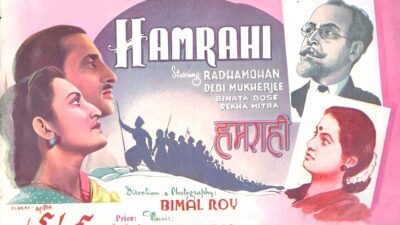
बिमल रॉय की पहली हिंदी फ़िल्म 'हमराही' अपने सामूहिक, सार्वजनिक स्वर की शुरुआत रवींद्रनाथ ठाकुर के 'जन गण मन' से करती है, जिसे आर.सी. बोराल ने समवेत स्वरों के लिए संयोजित किया। राष्ट्रगान पर विकिपीडिया का लेख इसे सीधे-सीधे दर्ज करता है: 1950 में आधिकारिक रूप से भारत का राष्ट्रगान बनने से पहले 'जन गण मन' 1945 की फ़िल्म 'हमराही' में सुनाई दिया था। 'हमराही' पर विकिपीडिया की प्रविष्टि बताती है कि फ़िल्म के अधिकांश गीत बिनोता बोस ने गाए, एक युगल हेमंत कुमार के साथ था, और दो गीत समवेत स्वर में गाए गए — यह उन्हीं दो में से एक है, और इसके लिए किसी एकल पार्श्वगायक का नाम किसी सत्यापन-योग्य स्रोत में दर्ज नहीं है।
अंग्रेज़ी में पढ़ें · Read in English
Hamrahi opens the collective, public register of Bimal Roy's first Hindi film with Rabindranath Tagore's 'Jana Gana Mana', arranged by R.C. Boral for massed voices. Wikipedia's article on the anthem records the film plainly: before it officially became the national anthem of India in 1950, 'Jana Gana Mana' was heard in the 1945 film Hamrahi. Wikipedia's Hamrahi entry notes that most of the songs were sung by Binota Bose, with one duet by Hemant Kumar and two sung as chorus — this is one of the two, and no individual playback singer is credited for it anywhere we could verify.
संगीत The Music
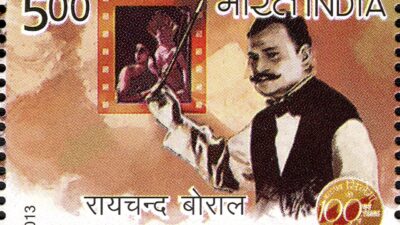
बोराल इस रचना को फ़िल्मी गीत की तरह नहीं, स्तुति की तरह बरतते हैं: धीमी, चौड़ी, ऊपर की ओर चढ़ती स्वर-पंक्ति, जिसे समवेत स्वर एक साथ उठाते हैं, और नीचे वाद्य-संगत जानबूझकर सादी रखी गई है ताकि शब्द साफ़ सुनाई देते रहें। न कोई फ़िल्मी अलंकरण है, न मुखड़ा-अंतरा की वह बनावट जो बाक़ी संकलन में दिखती है — रचना सामूहिक गायन के लंबे, समान वाक्यांशों में चलती है। यह 'हमराही' का इकलौता गीत है जहाँ आर.सी. बोराल — वही व्यक्ति जिन्होंने न्यू थिएटर्स में पार्श्वगायन की नींव रखी — रिकॉर्डिंग को स्टूडियो के एकल गायक जैसा नहीं, लोगों से भरे कमरे जैसा सुनाना चुनते हैं।
अंग्रेज़ी में पढ़ें · Read in English
Boral treats the hymn as a hymn rather than as a film song: a slow, broad, upward-stepping melodic line carried by a chorus in unison, with the orchestra kept deliberately plain underneath so that the words stay legible. There is no filmi ornamentation, no antara-mukhda architecture of the kind the rest of the score uses — the piece moves in the long, even phrases of congregational singing. It is the one number in Hamrahi where R.C. Boral, the man who effectively built playback singing at New Theatres, chooses to make the recording sound like a room full of people rather than a studio soloist.
काव्य The Poetry
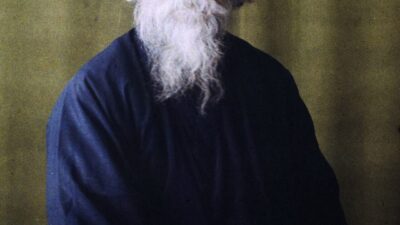
रवींद्रनाथ ठाकुर ने 'भारतो भाग्यो बिधाता' 11 दिसंबर 1911 को लिखा, जिसका पहला छंद यही है, और इसे पहली बार सार्वजनिक रूप से 27 दिसंबर 1911 को भारतीय राष्ट्रीय कांग्रेस के कलकत्ता अधिवेशन में गाया गया। इसकी भाषा अत्यधिक संस्कृतनिष्ठ बांग्ला है — यही कारण है कि यह पद उत्तर भारत के अधिकांश हिस्सों में बिना अनुवाद के समझ आ जाता है। यह उपमहाद्वीप के प्रांतों, नदियों और पर्वतमालाओं को बारी-बारी नाम लेकर पुकारता है और उन सब पर अधिष्ठित 'भारत के भाग्य-विधाता' की जय बोलता है। इसका काव्य-तर्क सैनिक नहीं, भौगोलिक है: देश को उसकी गिनती और आशीर्वाद के ज़रिये बुलाया जाता है, उसकी रक्षा के आह्वान से नहीं — और ठीक इसी बात ने औपनिवेशिक सेंसर को इसे पास करने और स्वाधीन गणराज्य को इसे अपनाने दोनों की गुंजाइश दी।
अंग्रेज़ी में पढ़ें · Read in English
Tagore wrote 'Bharoto Bhagyo Bidhata', of which this is the first stanza, on 11 December 1911, and it was first sung publicly on 27 December 1911 at the Calcutta session of the Indian National Congress. The language is highly Sanskritised Bengali, which is why the verse is legible across most of northern India without translation — it names the provinces, the rivers and the mountain ranges of the subcontinent in turn and hails the 'dispenser of India's destiny' who presides over them. Its poetic logic is geographic rather than martial: the country is invoked by being listed and blessed, not by being defended, which is precisely what allowed a colonial-era censor board to pass it and a post-colonial republic to adopt it.
कहानी The Story
'हमराही' बिमल रॉय की बांग्ला पहली फ़िल्म 'उदयेर पथे' (1944) का हिंदी रूपांतर थी। राष्ट्रगान पर विकिपीडिया का लेख बस इतना दर्ज करता है कि 1950 में आधिकारिक रूप से राष्ट्रगान बनने से पहले 'जन गण मन' 1945 की फ़िल्म 'हमराही' में सुनाई दिया था; किसी भी उपलब्ध स्रोत में यह दावा नहीं है कि इसे इस्तेमाल करने वाली यह पहली भारतीय फ़ीचर फ़िल्म थी। 1945 में इसे हिंदी संस्करण तक ले जाना तटस्थ फ़ैसला नहीं था: फ़िल्म की कथा एक कारख़ाने की उस हड़ताल पर घूमती है जिसे धनी उद्योगपति भाड़े के गुंडों से तुड़वाता है, और ठाकुर की इस स्तुति को उसी कहानी के सिरे पर रखना गीत को किसी सरकारी समारोह के नहीं, फ़िल्म के मज़दूरों के पक्ष में खड़ा कर देता था। समकालीन समीक्षकों ने इस जोखिम पर कुछ नहीं कहा; बाबूराव पटेल की अक्टूबर 1945 की चार-सितारा 'फ़िल्मइंडिया' समीक्षा ने निर्देशन, संवाद और कलाकारों की तारीफ़ की और इस गीत का ज़िक्र तक नहीं किया।
अंग्रेज़ी में पढ़ें · Read in English
Hamrahi was the Hindi remake of Bimal Roy's Bengali debut Udayer Pathey (1944). Wikipedia's article on the anthem records simply that 'Jana Gana Mana' was heard in the 1945 film Hamrahi before it officially became India's national anthem in 1950; no source consulted claims the film was the first Indian feature to use it. Carrying it into the Hindi version in 1945 was not a neutral choice: the film's plot turns on a factory strike broken by a rich industrialist's hired goons, and placing Tagore's hymn at the head of that story aligned the song with the film's workers rather than with any official ceremony. Contemporary reviewers said nothing about the risk; Baburao Patel's four-star Filmindia notice of October 1945 praised the direction, the dialogue and the cast, and left the anthem unremarked.
विरासत The Legacy
भारत की संविधान सभा ने 24 जनवरी 1950 को 'जन गण मन' के पहले छंद को राष्ट्रगान के रूप में अपनाया। इससे 'हमराही' की यह रिकॉर्डिंग सचमुच पूर्व-इतिहास की वस्तु बन जाती है: एक ऐसे पाठ का 1945 में व्यावसायिक रूप से जारी फ़िल्मी संस्करण, जिसकी उस समय कोई आधिकारिक हैसियत थी ही नहीं। 'हमराही' के बारे में यही एक तथ्य आम संदर्भ-ग्रंथों में बचा रह गया है — विकिपीडिया का राष्ट्रगान लेख फ़िल्म का नाम लेकर उद्धृत करता है — और यही वजह है कि न्यू थिएटर्स का 1945 का यह सामाजिक नाटक अस्सी साल बाद भी स्वतंत्रता दिवस की सूचियों में लौट आता है।
अंग्रेज़ी में पढ़ें · Read in English
The Constituent Assembly of India adopted the first stanza of 'Jana Gana Mana' as the national anthem on 24 January 1950. That makes the Hamrahi recording a genuine pre-history object: a commercially released 1945 film version of a text that had, at the time, no official standing at all. It is the single fact about Hamrahi that survives in general reference works — Wikipedia's anthem article cites the film by name — and it is the reason a 1945 New Theatres social drama still turns up in Independence Day listicles eighty years later.
वर्गीकरण
Classification- Tempo
- Slow
Genre
अन्य विवरण
More Details- https://en.wikipedia.org/wiki/Hamrahi_(1945_film)
- https://www.hindigeetmala.net/movie/humrahi.htm
- https://www.songsofyore.com/best-songs-of-1945-and-the-winners-are/
- https://en.wikipedia.org/wiki/Jana_Gana_Mana
- http://cinemacorridor.blogspot.com/2013/01/bimal-roys-first-film-new-theatres.html
References
रोचक तथ्य
Margin Notes'जन गण मन' पर विकिपीडिया का लेख कहता है कि 1950 में आधिकारिक रूप से भारत का राष्ट्रगान बनने से पहले यह गीत 1945 की फ़िल्म 'हमराही' में सुनाई दिया था।
अंग्रेज़ी में पढ़ें · Read in English
Wikipedia's article on 'Jana Gana Mana' states that before it officially became India's national anthem in 1950, the song was heard in the 1945 film Hamrahi.
ठाकुर ने यह गीत 11 दिसंबर 1911 को लिखा; इसे पहली बार सार्वजनिक रूप से 27 दिसंबर 1911 को भारतीय राष्ट्रीय कांग्रेस के कलकत्ता अधिवेशन में गाया गया — इस फ़िल्मी रिकॉर्डिंग से चौंतीस साल पहले।
अंग्रेज़ी में पढ़ें · Read in English
Tagore wrote the song on 11 December 1911; it was first sung in public on 27 December 1911 at the Calcutta session of the Indian National Congress — thirty-four years before this film recording.
भारत की संविधान सभा ने 24 जनवरी 1950 को इसके पहले छंद को राष्ट्रगान के रूप में अपनाया — 'हमराही' के प्रदर्शन के पाँच वर्ष बाद।
अंग्रेज़ी में पढ़ें · Read in English
The Constituent Assembly of India adopted the first stanza as the national anthem on 24 January 1950, five years after Hamrahi's release.
'हमराही' पर विकिपीडिया की प्रविष्टि दर्ज करती है कि फ़िल्म के अधिकांश गीत बिनोता बोस ने गाए, एक युगल हेमंत कुमार के साथ था और दो गीत समवेत स्वर में गाए गए; यह उन्हीं दो समवेत गीतों में से एक है।
अंग्रेज़ी में पढ़ें · Read in English
Wikipedia's Hamrahi entry records that most of the film's songs were sung by Binota Bose, with one duet by Hemant Kumar and two numbers sung as chorus; this is one of the two chorus pieces.
नमूना-पट्टी
The Specimen Table| शीर्षक | जन गण मन अधिनायक जय हे · Jana Gana Mana Adhinayak Jai He |
|---|---|
| फ़िल्म | हमराही · 1945 |
| वर्ष · युग | 1945 |
| गीतकार | Rabindranath Tagore |
| संगीतकार | Rai Chand Boral |
| स्वरूप | समूह गान |
| गति | धीमी |
| भाषा | bengali |
| भाव | उत्सव · प्रेरणादायक · आध्यात्मिक |
| लोकप्रियता | Known |
| बोल-स्थिति | केवल झलक |
जुड़े हुए पन्ने
Connected Plates · The Graph Made Visibleअटलस में कोई पन्ना अकेला नहीं — इस गीत से जुड़े गीत, कलाकार, फ़िल्म, राग-ताल-विधा, सब यहाँ से खुलते हैं।
कलाकार · The Artists
फ़िल्म · The Film
साझा कीजिए · Share this Plate