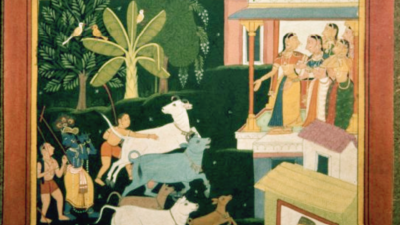
शास्त्र विंग · राग-पट्टिका · Raag Plate
हमीर
Hamīr
वीरता और भव्यता का राग · The Raag of Heroic Grandeur
भावभव्य · वीर · भयंकर · राजसी · मजबूत
गतिmadhya_to_drut ऊर्जातीव्र
अन्य नामHeera · हीरा · The Raag of Valor
स्वर-चित्र · The Swara Panel
आरोह — अवरोह · The Ascent and the Descent
तीव्र स्वर — Ma♯ — बिंदुदार नारंगी में।
आरोह · Aroha चढ़ती हुई सीढ़ी
अवरोह · Avaroha उतरती हुई सीढ़ी
तीव्र स्वर — ऊपर की ओर चिह्न (◌॑)सˊ = तार सप्तक का षड्ज
हमीर केदार की तरह दोनों म और म॑ का उपयोग करता है लेकिन बिल्कुल अलग चरित्र के साथ। जहाँ केदार ध्यानपूर्ण है, वहाँ हमीर भव्य और वीर है।
अंग्रेज़ी में पढ़ें · Read in English
Hameer uses both Ma (natural) and Ma♯ (tivra) like Kedar, but with a fundamentally different character. Where Kedar is meditative and introspective, Hameer is grand and heroic. The dual Madhyam is used to express valor and strength rather than contemplation. Hameer's vadi is Dha (the 6th degree), not Ga or Ma, giving it a completely different melodic and emotional center. This makes Hameer one of the most distinctive raags in the Kalyan thaat family.
पकड़ · पहचान वाक्यांश
ध प म॑, म ग रे, नि सˊ
Dha Pa Ma♯, Ma Ga Re, Ni Sa'
हमीर की वीर, दृढ़ वाक्य — धैवत पर जोर देते हुए भव्य वंश।
अंग्रेज़ी में पढ़ें · Read in English
The grand, firm phrase that identifies Hameer — featuring the heroic descent from the upper octave with emphasis on Dha (the vadi).
वादी–संवादी टिप्पणी · Vadi–Samvadi note
Vadi — The most important note — THE defining note of Hameer's heroic character. The raag revolves around Dha.
Samvadi — The supporting note — creates the harmonic foundation for Dha's grandeur.
चलन · स्वर-यात्रा
सा रे ग म॑ प, प ध नि सˊ, सˊ नि ध प म ग रे स, रे ग म॑, ध प म ग
Sa Re Ga Ma♯ Pa, Pa Dha Ni Sa', Sa' Ni Dha Pa Ma Ga Re Sa, Re Ga Ma♯, Dha Pa Ma Ga
हमीर की शक्तिशाली मधुर प्रगति धैवत पर जोर देती है, भव्य, वीर चरित्र बनाते हुए।
अंग्रेज़ी में पढ़ें · Read in English
Hameer's powerful melodic progression emphasizes Dha and the interplay of both Madhyam forms, creating a grand, heroic character.
न्यास स्वर — Sa, Dha, Pa अनुवादी — Sa, Re, Pa, Ni
विशेष स्वर-वाक्य
Characteristic Phrasesसमय और भाव
Time Theory & Moodसमय-सिद्धांत · Time Theory
निशा प्रहर (गहरी रात)
रात राग — देर रात से भोर पूर्व तक गाया जाता है।
Late night raag — traditionally performed from late night into pre-dawn hours. A raag of grand, heroic expression suited to the deepest, most contemplative hours.
All seasons, though particularly effective in winter's introspective hours
भाव और गति · Mood & Tempo
वीर & रौद्र · Heroism & Fierce Valor
हमीर मुख्य रूप से वीरता, शक्ति, और भयंकर संकल्प का राग है। भव्य और आज्ञापक।
madhya_to_drut
ऊर्जा · Energyतीव्र
स्तर · Leveladvanced — हमीर एक जटिल राग है जिसके लिए इसके वीर चरित्र की गहरी समझ आवश्यक है।
लक्षण गीत · The Mnemonic Verse
लक्षण गीत
हमीर कल्यण में धैवत वादी
मा दोनो रूप कला स्वादी
ध प म मुख्य संचलन
वीर रौद्र रस भरपूर रंजन
अंग्रेज़ी में पढ़ें · Read in English
Hameer Kalyan mein Dhaivat vadi
Ma donon roop kala swadi
Dha pa ma mukhya sanchalan
Veer raudra ras bharpoor ranjan
In Hameer of the Kalyan thaat, Dha is the vadi. Both forms of Ma appear. Dha Pa Ma is the central movement. Filled with heroic and fierce rasa.
पट्टिका-लेख
The Monographपरिचय Introduction
राग हमीर कल्यण थाट का एक भव्य, शक्तिशाली राग है। किंवदंती के अनुसार राजा हमीरदेव चौहान के नाम पर, यह राग वीरता, शक्ति, और भयंकर संकल्प की मूर्तिमान है।
अंग्रेज़ी में पढ़ें · Read in English
Raag Hameer is one of the grand, powerful raags of the Kalyan thaat. Named after the legendary Maharaja Hameer Dev Chauhan, this raag embodies heroism, valor, and fierce determination. Unlike the romantic Yaman or the meditative Kedar, Hameer uses its structure to express grandeur, strength, and commanding presence. The raag is characterized by the unique prominence of Dha as the vadi (primary note), giving it a distinctive melodic identity. Hameer uses both Ma (natural) and Ma♯ (tivra) like Kedar, but with a completely different aesthetic — while Kedar is introspective, Hameer is expansive and heroic. Traditionally a late-night raag, Hameer is performed with slow, elaborate alap sections that build in power and grandeur.
सांस्कृतिक महत्व Cultural Significance
हमीर एक भव्य राग के रूप में एक विशेष स्थान रखता है।
अंग्रेज़ी में पढ़ें · Read in English
Hameer holds a special place in concert traditions as a raag reserved for accomplished musicians who can do justice to its grandeur. The raag is often performed in all-night concerts (jagor) where its late-night restriction can be observed. In Indian musical tradition, Hameer is considered one of the most demanding and prestigious raags to perform, reflecting the nobility and valor of its namesake Maharaja.
ऐतिहासिक महत्व Historical Significance
हमीर शास्त्रीय ग्रंथों में दस्तावेज़ है और सदियों से उत्तर भारतीय शास्त्रीय संगीत का मुख्य हिस्सा रहा है।
अंग्रेज़ी में पढ़ें · Read in English
Hameer is documented in classical treatises and has been a staple of North Indian classical music for centuries. The raag is named after Maharaja Hameer Dev Chauhan, a legendary Rajput warrior known for his valor and resistance. Hameer became particularly prominent in Rajasthani and North Indian musical traditions. In modern times, Hameer appears less frequently in Bollywood but retains its prestige in classical concert settings.
शिक्षा
Teaching & Learning| बंदिश | ताल · लय | बोल |
|---|---|---|
| Kya Hua Tera Wada Traditional / Filmfare (Hum Kisise Kum Naheen, 1977) |
Teentaal |
पूरे समय वादी धैवत पर जोर दें। यह स्वर राग है। इसके चारों ओर निर्माण करें।
अंग्रेज़ी में पढ़ें · Read in English
Emphasize the vadi Dha throughout. This note IS the raag. Build around it, use meend on it, and return to it often.
हमीर एक कोमल राग नहीं है। मजबूत, दृढ़ उच्चारण का उपयोग करें।
अंग्रेज़ी में पढ़ें · Read in English
Hameer is not a gentle raag. Use strong, firm articulation. The character is grand and heroic, not delicate or romantic.
पकड़ (ध प म॑, म ग रे) में महारत हासिल करें।
अंग्रेज़ी में पढ़ें · Read in English
Master the pakad (Dha Pa Ma♯, Ma Ga Re). This phrase captures Hameer's essence and must be rendered with power and confidence.
हमीर को बहुत कोमलता से प्रदर्शित करना, इसके वीर चरित्र को खोना
अंग्रेज़ी में पढ़ें · Read in English
Rendering Hameer too gently or romantically, losing its heroic character
सुधार: Hameer is a raag of valor and strength. Render it with power, firmness, and grandeur. The rasa is Vira (heroic), not Shringara (romantic).
धैवत पर पर्याप्त जोर न देना। अन्य स्वरों को प्राथमिक ध्यान केंद्र बनाना।
अंग्रेज़ी में पढ़ें · Read in English
Not emphasizing Dha enough. Using other notes as the primary focus.
सुधार: Dha is the vadi — the king. Everything revolves around Dha. Keep returning to it and emphasizing it.
रोचक तथ्य
Margin Notesहमीर का नाम 13वीं शताब्दी के राजपूत योद्धा महाराज हमीरदेव चौहान के नाम पर है।
अंग्रेज़ी में पढ़ें · Read in English
Hameer is named after Maharaja Hameer Dev Chauhan, a legendary Rajput warrior of the 13th century. The raag's grandeur and heroic character reflect the historical figure's valor and nobility.
धैवत (6th नोट) हमीर का वादी है — असामान्य क्योंकि अधिकांश राग में सा, ग, म, या प वादी होते हैं।
अंग्रेज़ी में पढ़ें · Read in English
Dha (the 6th note) is the vadi of Hameer — unusual since most raags have Sa, Ga, Ma, or Pa as vadi. This makes Hameer structurally and aesthetically unique.
हमीर परंपरागत रूप से रात्रिकालीन और भोर पूर्व प्रदर्शनों तक सीमित है।
अंग्रेज़ी में पढ़ें · Read in English
Hameer is traditionally restricted to late-night and pre-dawn performances, making it one of the few raags with strict time regulations that are widely observed even today.
प्रस्तुति
Performance- Description
- रात राग — देर रात से भोर पूर्व तक गाया जाता है। Late night raag — traditionally performed from late night into pre-dawn hours. A raag of grand, heroic expression suited to the deepest, most contemplative hours.
- Prahar Number
- 7
- Prahar Name
- निशा प्रहर (गहरी रात) Nisha Prahar (Deep Night)
- Time Start
- 20:00
- Time End
- 05:00
- Time Flexibility
- strict
- Time Notes
- Traditionally restricted to late night and pre-dawn hours.
Time
सीखने के लिए
For Learners- Difficulty Level
- advanced
नमूना-पट्टी
The Specimen Table| नाम | हमीर · Hameer |
|---|---|
| थाट | कल्यण |
| आरोह | सा रे ग म॑ प ध नि सˊ |
| अवरोह | सˊ नि ध प म ग रे स |
| पकड़ | ध प म॑, म ग रे, नि सˊ |
| जाति | संपूर्ण-संपूर्ण · Sampurna-Sampurna |
| तीव्र स्वर | Ma♯ |
| समय | निशा प्रहर (गहरी रात) |
| ऋतु | All seasons, though particularly effective in winter's introspective hours |
| गति | madhya_to_drut |
| ऊर्जा | तीव्र |
| प्रकृति | Sankeerna (Chhayalag) |
| परिवार | कल्यण परिवार |
| स्तर | advanced |
| लोकप्रियता | Popular |
| कर्नाटक समतुल्य | Dheerashankarabharanam · Melakarta 29 |
| पाश्चात्य समतुल्य | Major with raised 4th |
| अन्य नाम | Heera · हीरा · The Raag of Valor |
जुड़े हुए पन्ने
Connected Plates · The Graph Made Visibleअटलस में कोई पन्ना अकेला नहीं — इस राग से गीत, प्रस्तुतियाँ, कलाकार, ताल, घराने और मिलते-जुलते राग, सब यहाँ से खुलते हैं।
प्रसिद्ध प्रस्तुतियाँ · Legendary Renditions
फ़िल्मी गीत इस राग में · Famous Film Songs
इस राग के कलाकार · Notable Artists
ताल-साथी · Taal Pairings
मिलते-जुलते राग · Similar Raags
श्रवण-कक्ष · The Listening Room
सुनिए — हमीर · Hear the Raag
Raag Hameer | Pt. Ajoy Chakraborty
प्रश्नोत्तर
Questions & Answersराग हमीर का आरोहन-अवरोहन क्या है?
आरोहन: सा रे ग म॑ प ध नि सˊ | अवरोहन: सˊ नि ध प म ग रे स
अंग्रेज़ी में पढ़ें · Read in English
What is the arohana and avarohana of Raag Hameer? — Arohana: Sa Re Ga Ma♯ Pa Dha Ni Sa' | Avarohana: Sa' Ni Dha Pa Ma Ga Re Sa
हमीर में धैवत क्यों महत्वपूर्ण है?
धैवत (ध) हमीर का वादी है। राग धैवत के चारों ओर केंद्रित है। यह एक असामान्य और विशिष्ट विशेषता है।
अंग्रेज़ी में पढ़ें · Read in English
Why is Dhaivat (Dha) important in Raag Hameer? — Dha (Dhaivat) is the vadi of Hameer — the primary, most important note. The raag revolves around it.
हमीर किस समय गाया जाता है?
हमीर एक रात राग है। परंपरागत रूप से रात के देर समय में गाया जाता है।
अंग्रेज़ी में पढ़ें · Read in English
When is Raag Hameer performed? — Hameer is a night raag, traditionally performed from late evening into pre-dawn hours.
साझा कीजिए · Share this Plate